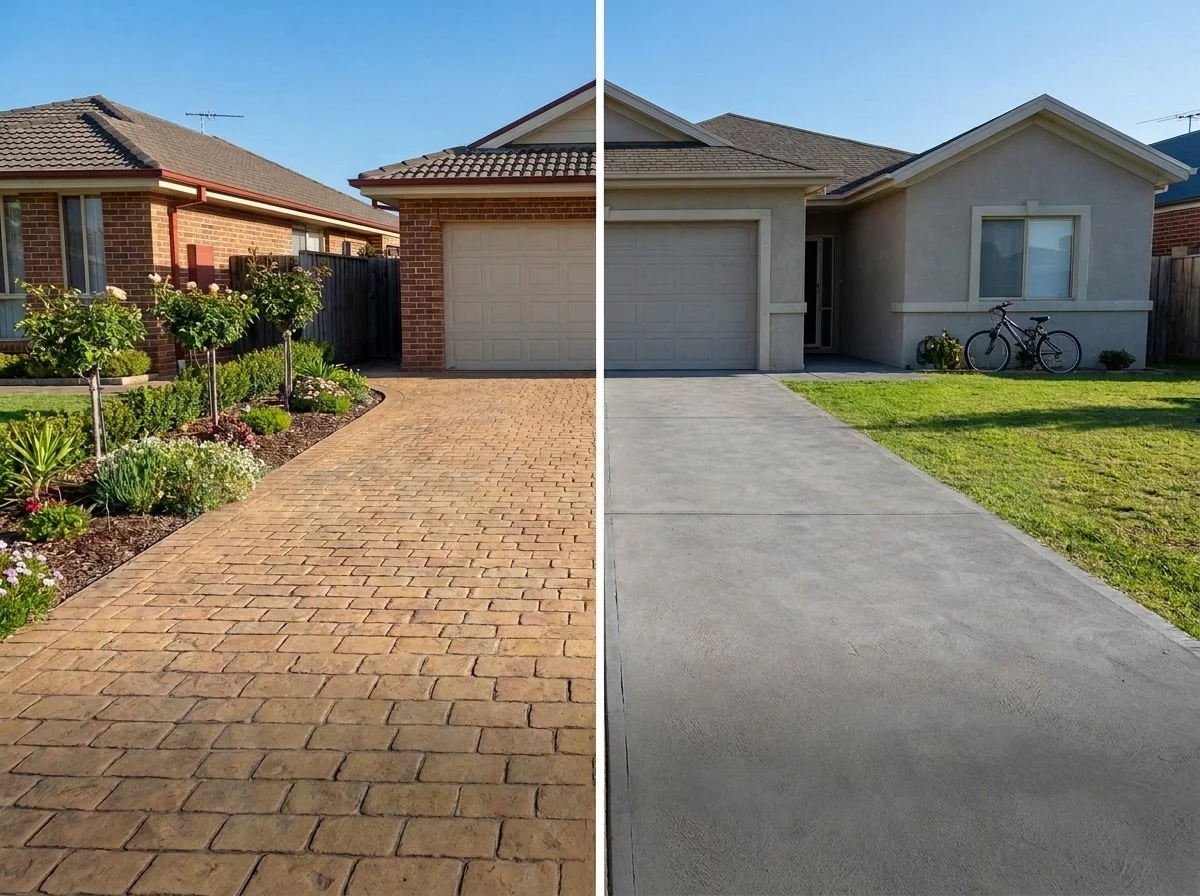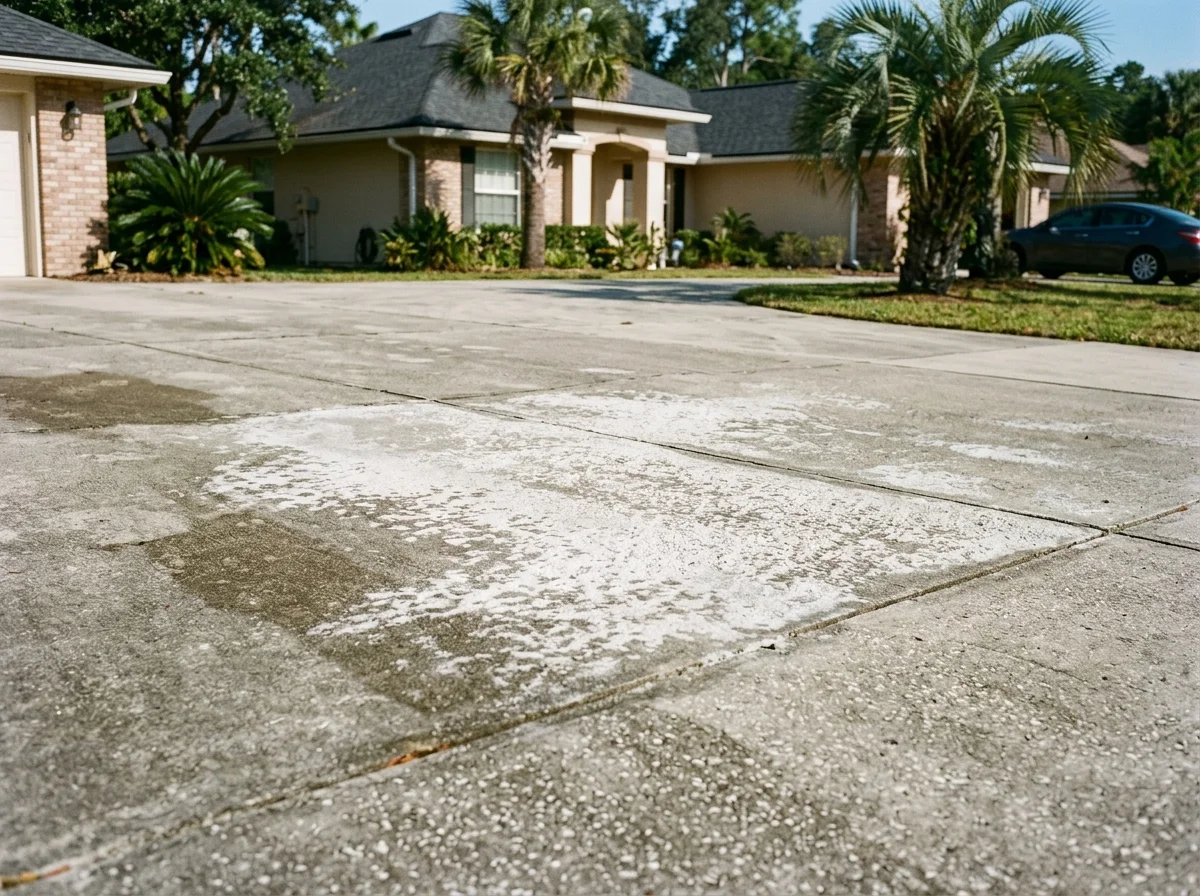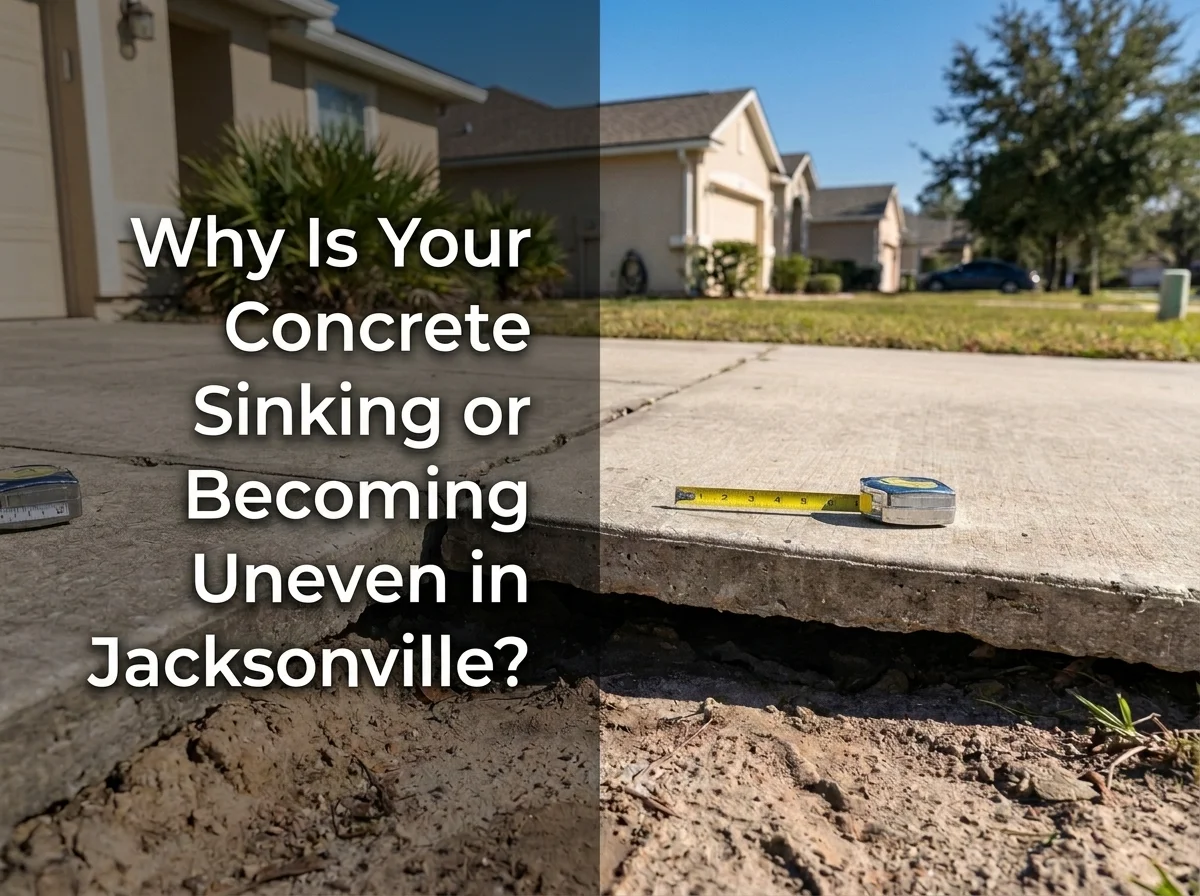
Fresh concrete may look hard within one day. That doesn’t mean it’s ready for full use. Concrete keeps gaining strength as cement reacts with water. This reaction needs enough moisture, steady temperatures, and careful protection. The ready mix concrete curing time also changes with the mix, slab size, weather, and planned load. Proper scheduling of concrete delivery services is also important because placement timing affects finishing, curing, and the protection needed during the first hours after a pour.
Jacksonville adds another concern. Hot sun can warm a slab fast. Wind may pull moisture from the surface, while sudden rain can damage fresh work. Poor timing can lead to a weak surface, early cracks, marks, or uneven color.
This guide explains setting, drying, curing, and safe use times. You’ll also learn how crews protect new concrete after finishing. Understanding the concrete slab installation process can also help property owners see why preparation, placement, finishing, and curing all work together. The goal is simple: help you plan the project without opening the slab too early.
What Does Concrete Curing Mean?
Curing is the work done after placement to protect moisture and temperature. Cement needs water to keep reacting and building a hard paste. That paste binds the sand and stone together. The concrete may feel firm while this reaction is still active. Curing methods help stop the surface from losing water too quickly. Crews may use wet coverings, plastic sheets, water, or a liquid curing product. The chosen method depends on the slab, finish, weather, and project plans. Curing isn’t the same as letting water leave the slab. It supports hydration, which helps concrete become stronger and more durable. The American Cement Association notes that good materials, a proper mix, and correct curing all affect performance.
What Is the Normal Ready Mix Concrete Curing Time?
Many projects use seven days as an important curing period. However, seven days doesn’t mean every slab has reached its final planned strength. Federal Highway Administration guidance explains that common concrete may need moisture protection for at least seven days. Some high early-strength mixes may use a shorter approved period. Project plans can also require longer care based on cement type, exposure, and testing. The 28-day point serves as the standard time for measuring compressive strength. It isn’t a magic day when all reactions suddenly stop. Concrete can continue gaining strength after that date. The safest schedule follows the mix design, written project rules, weather, and contractor instructions.
How Are Setting, Drying, and Curing Different?
These three terms describe different changes. Concrete setting time covers the move from a soft mix to a firm material. This often happens within hours, but heat, cement type, water, and added products can change it. Concrete drying time describes moisture leaving the hardened slab. Drying may take weeks or months, especially before flooring, paint, or coatings. Curing supports the chemical reaction that builds strength. It starts after placement and concrete finishing, then continues through the planned care period. A surface can be set but not strong enough for traffic. It can also be cured for several days while holding enough moisture to affect a floor coating. Ask which condition matters for your next step. Walking, driving, sealing, and installing flooring each need a different check.
What Happens During the First Seven Days?
The first day needs the most protection. Crews place, level, and finish the concrete before starting the chosen curing method. During this early stage, tools, rain, feet, pets, and falling items can mark the surface. The slab also faces a higher risk of fast moisture loss. Light foot use may be allowed after about 24 to 48 hours, but the contractor must approve it. During days three through seven, the surface feels much harder, and the slab keeps gaining strength. That still doesn’t make it ready for every vehicle or stored load. Barriers should stay in place until the crew gives clear access instructions. Avoid dragging furniture, turning tires, or placing heavy items on young concrete.
Why Does Proper Curing Matter?
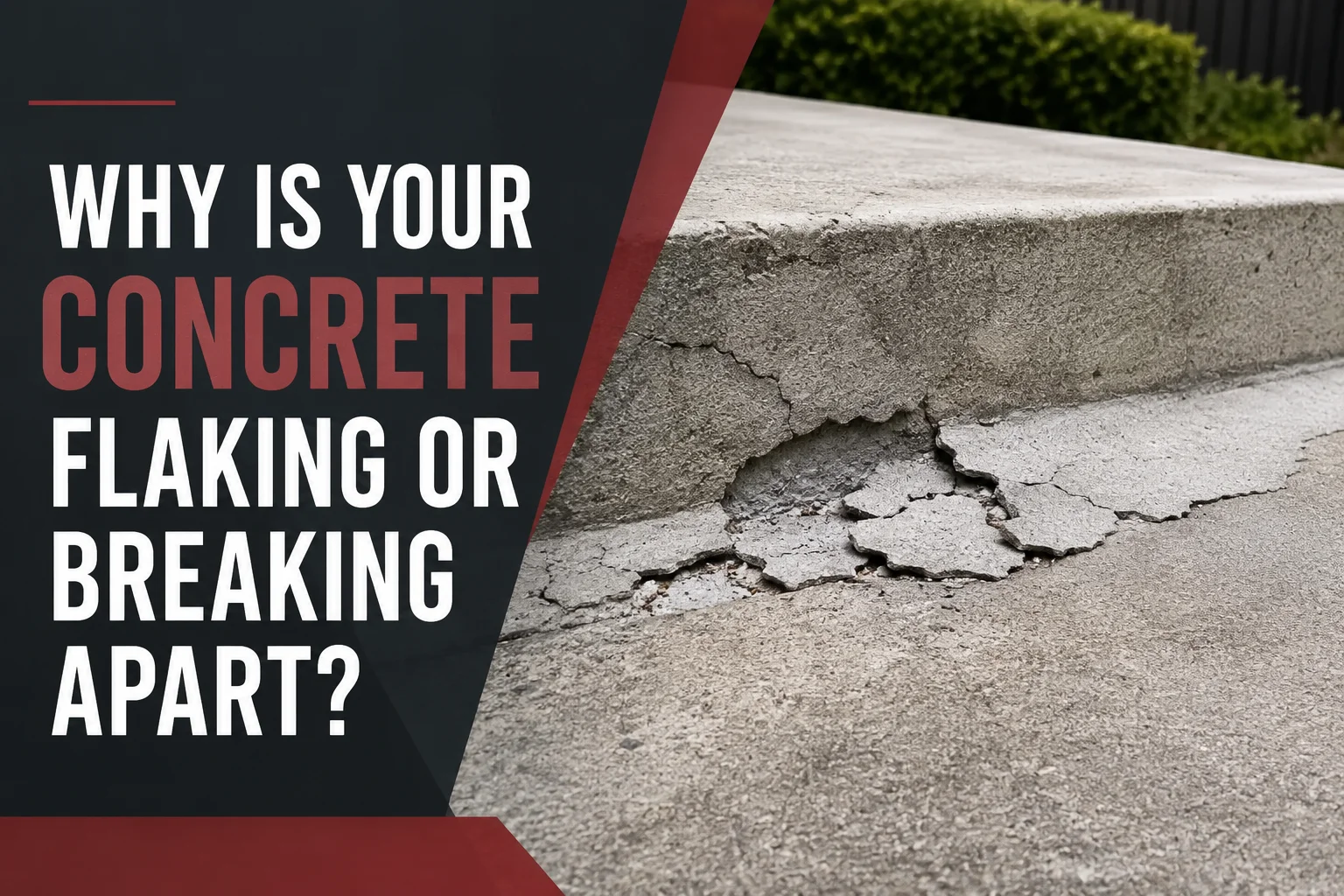
Correct curing helps the slab reach the performance planned by the designer and contractor. It supports better concrete strength, surface hardness, and resistance to normal wear. It can also lower the risk of dusting, scaling, and early shrinkage cracks. No curing method can promise crack-free concrete. Ground movement, joint layout, slab depth, loads, drainage, and mix choices also affect cracking. Still, losing surface water too quickly can harm the upper layer before it develops well. That matters on driveways, walkways, warehouse floors, loading areas, and parking surfaces. These areas face tires, foot traffic, water, and repeated use. Care during the first days can reduce repair needs and protect the money spent on site preparation, placement, and finishing.
How Does Jacksonville Weather Affect Curing?
Jacksonville often has hot summer days, strong sun, high humidity, and quick weather changes. National Weather Service climate reports show normal summer highs near the low 90s. Heat can speed up setting and give finishers less working time. It can also raise water demand and increase the risk of surface moisture loss. NRMCA guidance says high concrete temperature, wind, low humidity, and solar heat can speed setting and raise cracking risks. High humidity may slow evaporation, but it doesn’t remove the need for curing. Crews may schedule work earlier, prepare enough labor, shade materials, use approved mix changes, or start curing as soon as finishing ends. Rain plans also matter because fresh concrete shouldn’t be left open during a storm.
How Should New Concrete Be Cured?
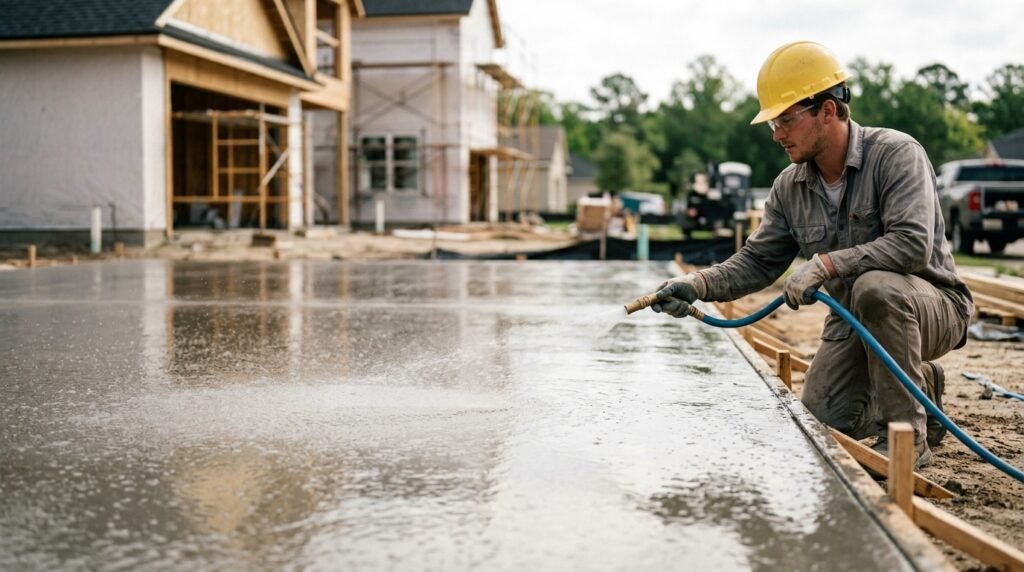
The right method keeps needed moisture near the surface. One option uses wet burlap or other approved coverings that stay damp. Another covers the slab with suitable plastic sheeting. Crews may also use water curing or a liquid membrane product. Each option has limits. Plastic can affect surface color when it touches unevenly. Water methods need steady care and safe drainage. Curing products must match later coatings, sealers, or flooring because some products can block bonding. The crew should start final curing after concrete finishing and after surface water has cleared. Don’t spray extra water over the slab to make finishing easier. Added surface water can weaken the top layer. Follow the contractor’s written plan instead of lifting covers or washing the slab early.
When Can You Walk, Drive, or Build on the Slab?
Use dates should match the load, weather, mix, and test results. A contractor may allow light walking after one or two days when the surface can take it. Passenger vehicles often need a longer wait, commonly about seven days for many driveway projects. Heavy trucks, loaded storage racks, walls, equipment, or structural loads may need much more time. The project engineer may require strength tests before those loads begin. FHWA guidance for pavement work uses both time and measured strength when deciding when curing or traffic limits can end. Never assume one schedule fits every slab. Ask for separate dates for walking, cars, heavy vehicles, construction work, coatings, and full design loads. Keep those dates in the project notes so tenants, workers, and delivery teams don’t enter too soon.
What Can Delay Curing or Damage Young Concrete?
Cool weather slows strength gain, while very hot concrete may set too fast. Deep sections also behave differently from thin slabs. Mix design, cement type, added materials, water level, and curing method can all change the schedule. Damage often comes from people using the slab before approval. Other problems include turning vehicle tires in place, dropping tools, removing forms early, flooding the surface, or letting coverings dry out. Adding water at the site without approval can also harm the mix. NRMCA warns crews to limit added water and begin curing after finishing. Good planning prevents many of these problems. Confirm the truck time, crew size, weather plan, barriers, curing supplies, and access route before placement begins.
What Should You Ask Your Concrete Contractor?
Ask which mix will be used and why it fits your project. Request the planned curing method, minimum care period, and access dates. You should also ask who will maintain wet covers or inspect the curing product. For commercial work, confirm whether cylinders, maturity readings, or other tests will guide opening dates. Discuss rain, heat, wind, and after-hours access before the pour. Concrete Advantage says its Jacksonville crews manage placement, reinforcement, finishing, and curing as part of on-site quality control. The company serves commercial properties across Jacksonville and Northeast Florida. A clear written plan helps owners, tenants, crews, and delivery drivers follow the same schedule. It also reduces pressure to open the area before the slab is ready.
What Should You Remember About Curing Time?
The ready mix concrete curing time isn’t one fixed number for every project. The surface may set within hours, allow limited walking after a day or two, and keep gaining strength for weeks. Seven days often marks a key care period, while 28 days remains the common strength test point. Your actual schedule may change with the mix, weather, slab type, and load. Jacksonville heat and sun make early moisture control especially important. Protect the slab, follow the curing plan, and wait for clear approval before use. Good curing supports concrete strength and helps the finished surface handle daily wear. It also protects the work completed during base preparation, placement, jointing, and concrete finishing.
Frequently Asked Questions
Does Concrete Fully Cure in 28 Days?
No. Twenty-eight days is the standard strength test point. Concrete may keep gaining strength after that date, depending on its mix, moisture, temperature, and exposure.
What Is the Average Concrete Drying Time?
Drying can take weeks or months. Slab depth, weather, indoor air, and moisture barriers affect it. Test moisture before installing flooring, coatings, or other sensitive finishes.
Can I Walk on New Concrete Tomorrow?
Possibly, but ask your contractor first. Light walking may be allowed after 24 to 48 hours. Keep pets, furniture, tools, and heavy traffic away until approval.
When Can I Drive on a New Driveway?
Many contractors wait about seven days for passenger cars. Mix design and weather can change that date. Heavy trucks often need a longer wait or proof of required strength.
Does Hot Weather Make Concrete Cure Faster?
Heat can speed setting and early reactions, but faster isn’t always better. High temperatures may raise water loss, finishing pressure, shrinkage risk, and later strength concerns.
How Can I Protect New Concrete?
Keep people and vehicles away. Don’t remove covers, add water, or apply products without approval. Follow the contractor’s curing and access plan for the full required period.