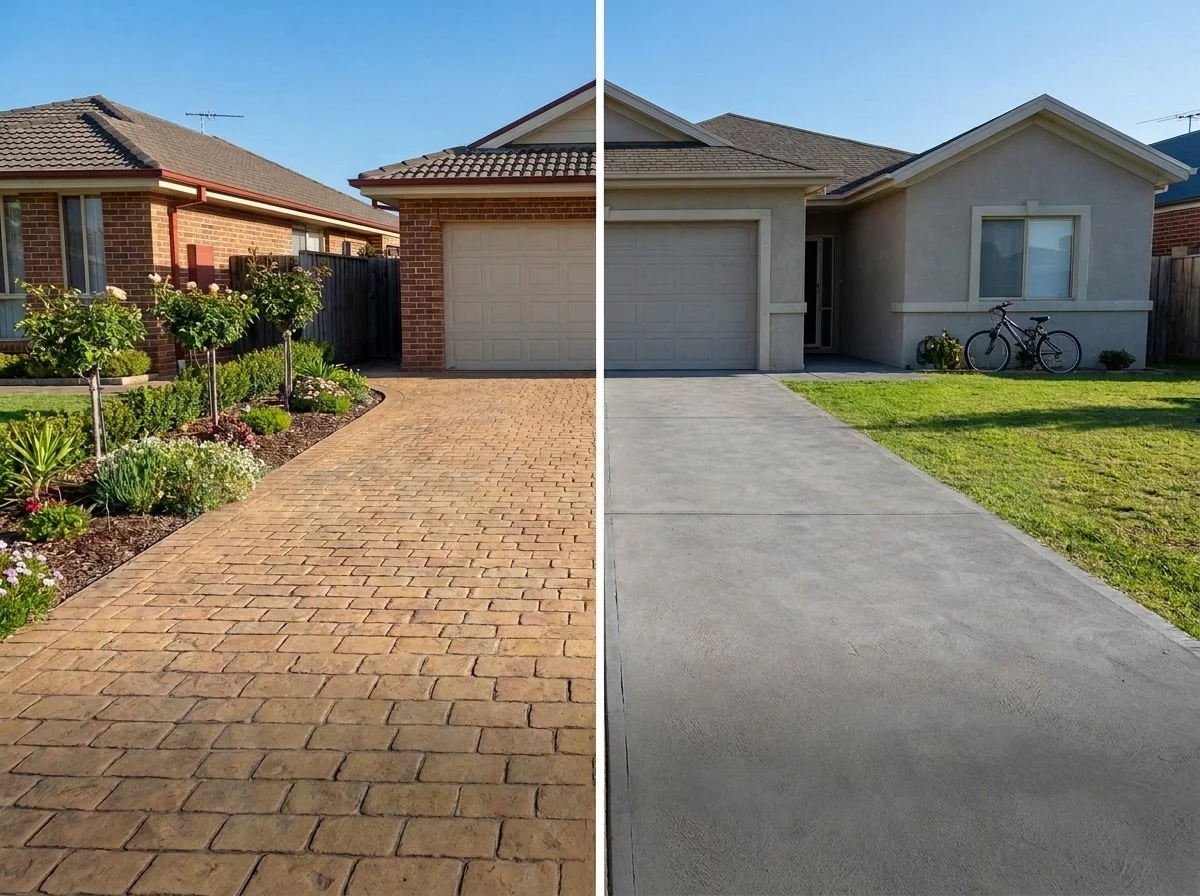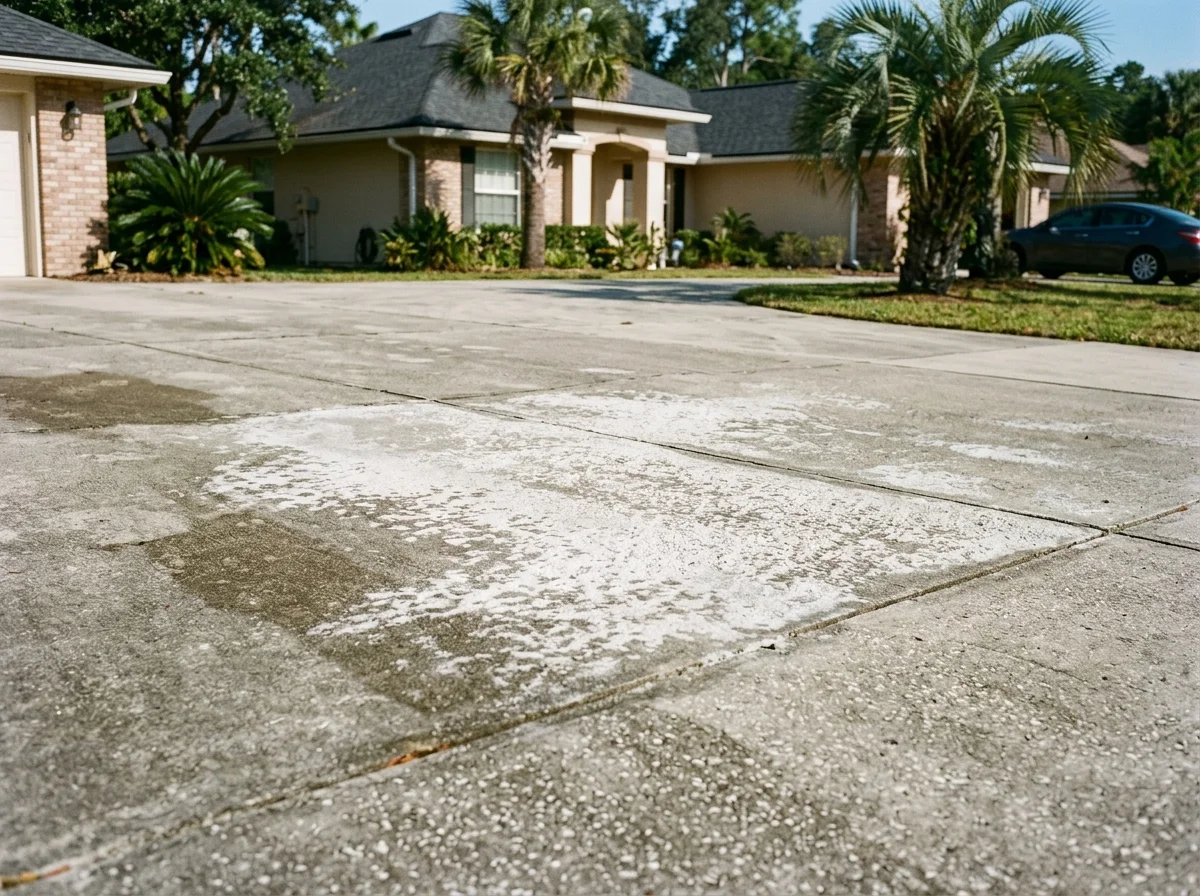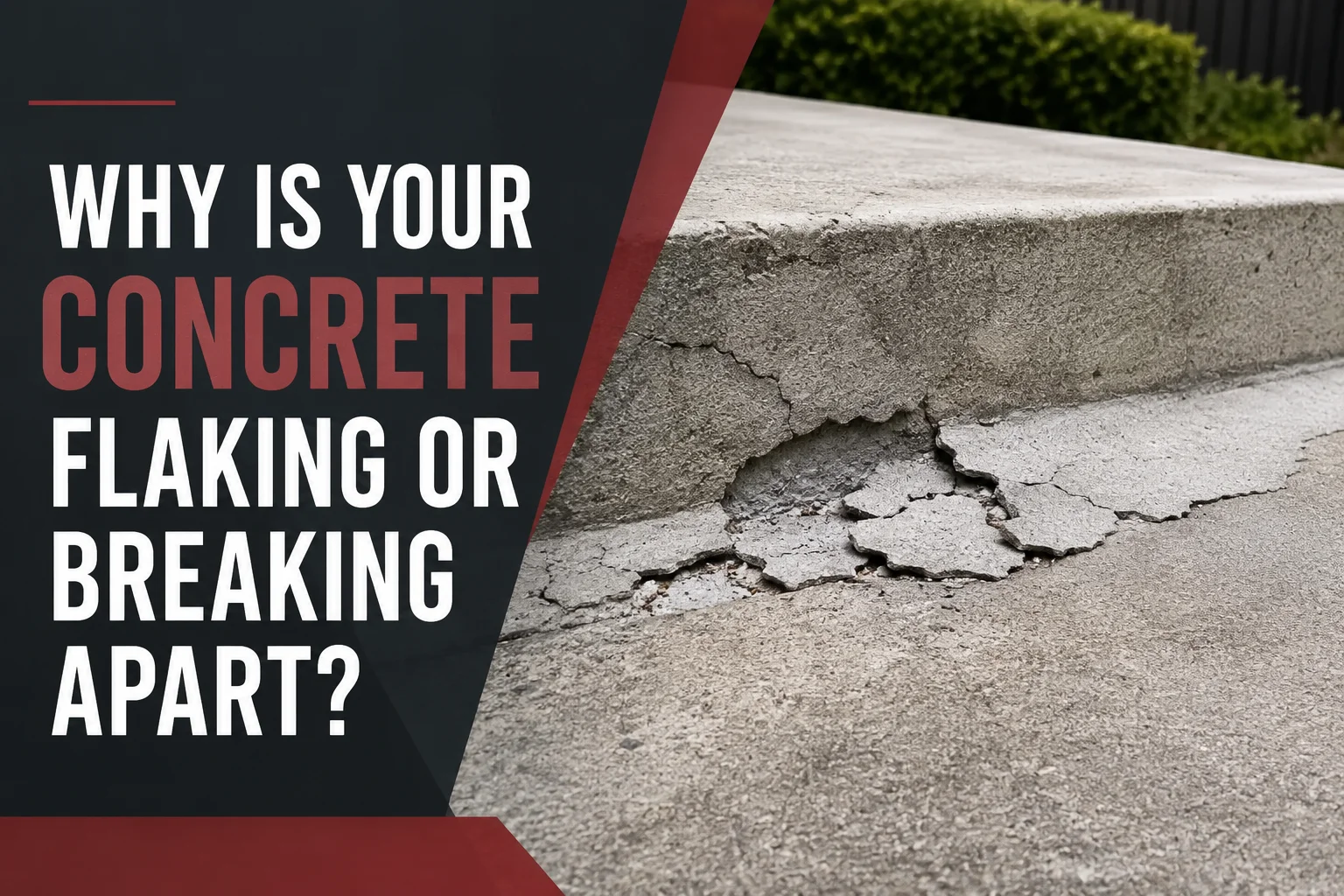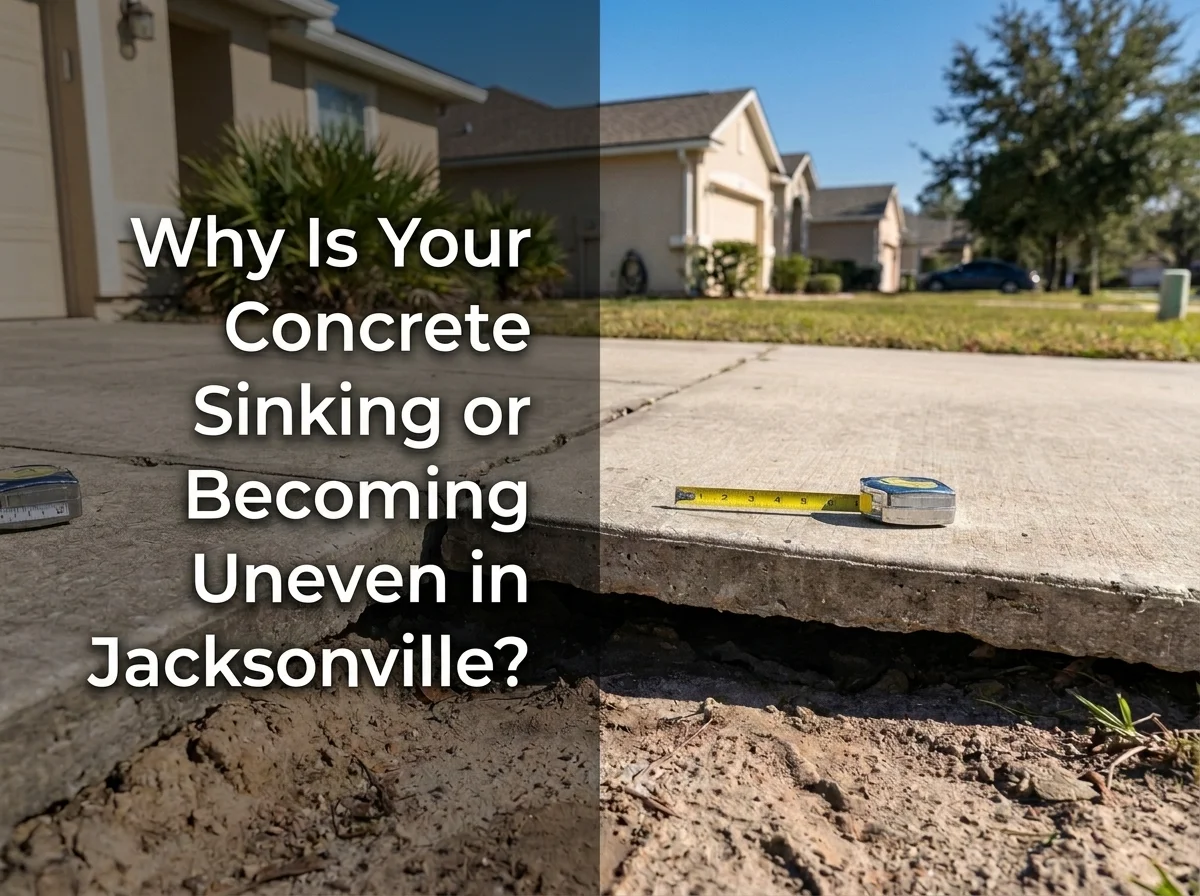
A concrete slab may support a patio, shed, warehouse floor, equipment pad, or new building. Each project needs the right size, depth, base, slope, and finish. Small mistakes below the slab can cause cracks, low spots, or standing water later. That is why experienced concrete slab contractors inspect the site before concrete pouring begins.
Planning concrete slabs Jacksonville FL property owners can use safely takes local care. Jacksonville rain can expose poor drainage or soften an open base. Hot sun can also shorten working time during placement. A clear plan helps the crew prepare the ground, schedule delivery, and protect the fresh surface.
This guide explains slab preparation, installation steps, cost factors, permits, curing, repairs, and hiring questions. It also shows how slab foundations differ from basic flatwork. Concrete Advantage handles commercial slabs, foundations, equipment pads, sidewalks, parking areas, and other concrete paving and site concrete services across Jacksonville and Northeast Florida.
What Types of Concrete Slabs Can Be Installed?
Concrete slabs serve many different uses, so one design does not fit every job. A patio or walkway may carry people and outdoor furniture. A driveway must handle cars and turning tires. A warehouse floor may support forklifts, racks, machines, and steady traffic. A slab foundation carries building loads and may include thickened edges, footings, steel, and moisture control. Equipment pads also need the right size and support for the unit placed on them. Good concrete flatwork Jacksonville FL projects start with the planned use. Concrete Advantage lists slab-on-grade work, reinforced equipment pads, foundations, sidewalks, parking areas, loading docks, and industrial floors among its commercial services.
What Do Concrete Slab Contractors Check First?
The first visit should focus on the site, not only the slab size. The contractor checks soil, drainage, slope, access, nearby walls, and expected loads. They also look for roots, buried lines, old concrete, soft ground, and low areas. These details guide the slab depth, base material, steel, joints, and concrete mix. Access matters because the crew needs a safe path for trucks, pumps, buggies, tools, and workers. The contractor should also ask how the area will be used after the pour. Concrete Advantage says its team checks subgrade conditions, drainage, load needs, and repair concerns before giving a project recommendation.
How Does Slab Preparation Work?
Slab preparation starts by marking the work area and removing weak material. Crews may clear grass, roots, loose soil, old pavement, or broken concrete. Next, they shape the ground and add suitable base material when needed. The base must be placed and compacted so it gives the slab even support. Forms then set the slab edges, height, and slope. Steel bars, wire, fibers, or other reinforcement may be used when the plans call for them. Before concrete flatwork Jacksonville FL crews pour, they check the depth in several places. They also confirm drainage, access, and concrete volume. Concrete Advantage states that its paving work includes subgrade checks, compacted base materials, drainage planning, and joint placement.
What Happens During Concrete Pouring and Finishing?
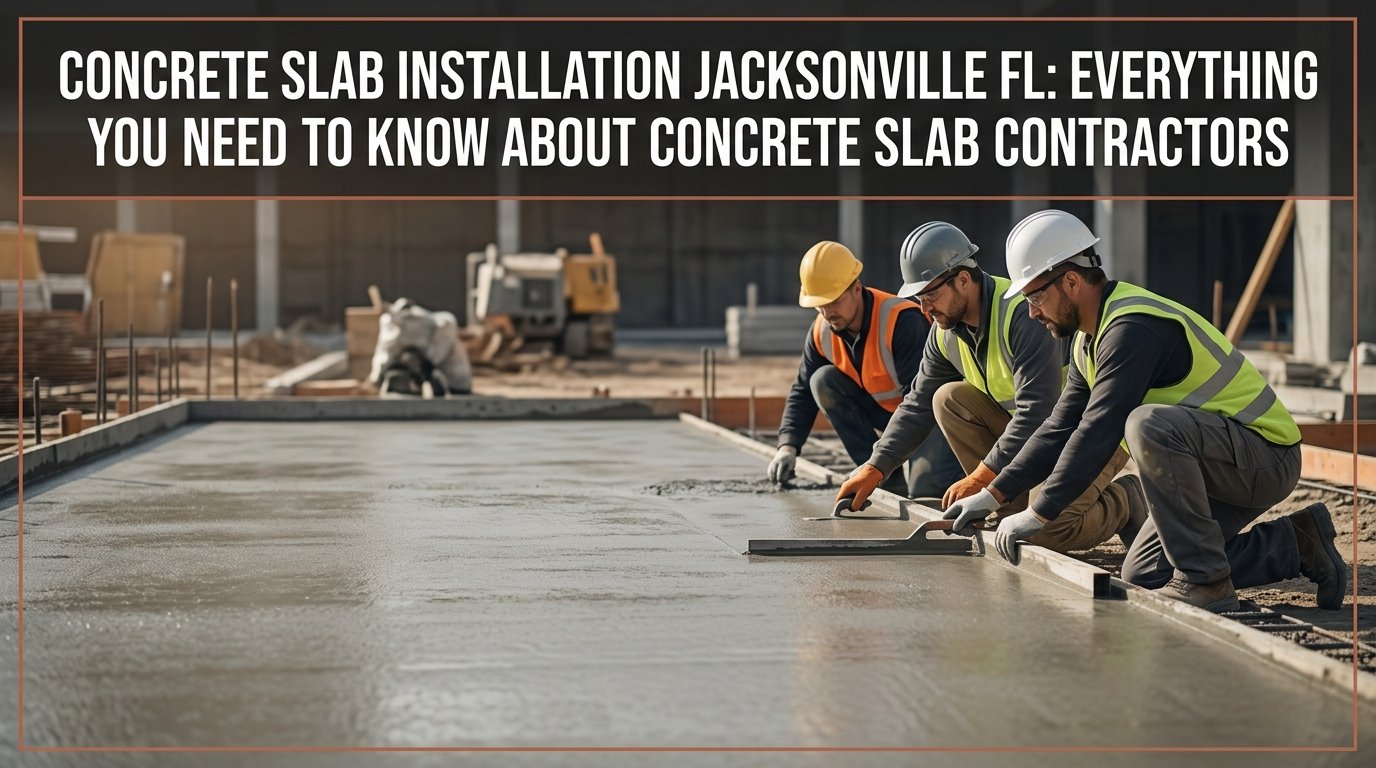
Concrete pouring must move at a steady pace. The crew places the mix inside the forms and spreads it across the prepared base. Workers then level the surface and remove high or low areas. Understanding how long concrete takes to cure is also important because the slab needs proper protection before foot traffic, vehicles, equipment, or heavy loads are allowed. A smoother finish may fit some indoor floors. Crews also place or cut joints to help guide normal movement. Finishing too early, adding unplanned water, or working rainwater into the surface can harm the top layer. Concrete Advantage manages placement, reinforcement, finishing, and curing during its projects.
How Long Does Slab Installation Take?
Project time depends on size, access, design, weather, and site condition. A clear, open pad will usually move faster than a large slab with demolition, deep edges, many drains, or heavy steel. The work may include layout, removal, grading, forms, base compaction, reinforcement, inspections, pouring, finishing, and curing. Rain can delay base work or require another soil check. Other trades may also affect the schedule on a building project. The contractor should give separate dates for site work, the pour, light access, vehicle use, and full loading. Don’t judge the schedule only by pour day. The slab still needs protection after the crew leaves.
Do Jacksonville Slab Projects Need Permits?
Permit needs depend on the slab and what it supports. A simple outdoor pad may have different rules from a slab tied to a building, addition, shed, or other structure. The City of Jacksonville enforces the Florida Building Code and city building rules. Its current permit guidance says the city is using the Florida Building Code, 8th Edition (2023). The city also lists a foundation slab inspection before concrete is poured. Property owners should confirm the exact permit and inspection needs before work starts. Don’t assume that every slab follows the same path. A contractor handling structural work should explain who submits plans, schedules inspections, and keeps records. Working with an experienced local company like Concrete Advantage can help property owners better understand site requirements, scheduling, and installation planning.
What Affects Concrete Slab Installation Costs?
Slab cost changes with the amount of work needed before and during the pour. Size and depth affect concrete volume. Steel, thick edges, footings, pumps, special finishes, and testing can add cost. Removal and disposal raise the price when old concrete is present. Soft soil, poor drainage, tight access, or a hard-to-reach backyard may also need more labor and equipment. A quote from concrete slab contractors should explain what is included. Look for removal, base work, forms, reinforcement, concrete, finishing, curing, cleanup, and permit duties. Current local pricing can vary, so a site estimate is more useful than a broad online number.
Why It Matters
A slab depends on the ground below it and the care used during placement. Good slab preparation can lower the risk of settlement, standing water, uneven edges, and early surface damage. Proper slope moves water away from buildings and busy areas. Correct joints help manage normal concrete movement. Careful curing supports strength and surface quality. These steps also make the project easier to use after completion. For concrete slabs Jacksonville FL sites need, drainage deserves special attention because rain can show every low area. No contractor can promise a slab will never crack. However, sound planning and skilled work can reduce avoidable problems and make future maintenance easier.
Should You Repair or Replace an Old Slab?
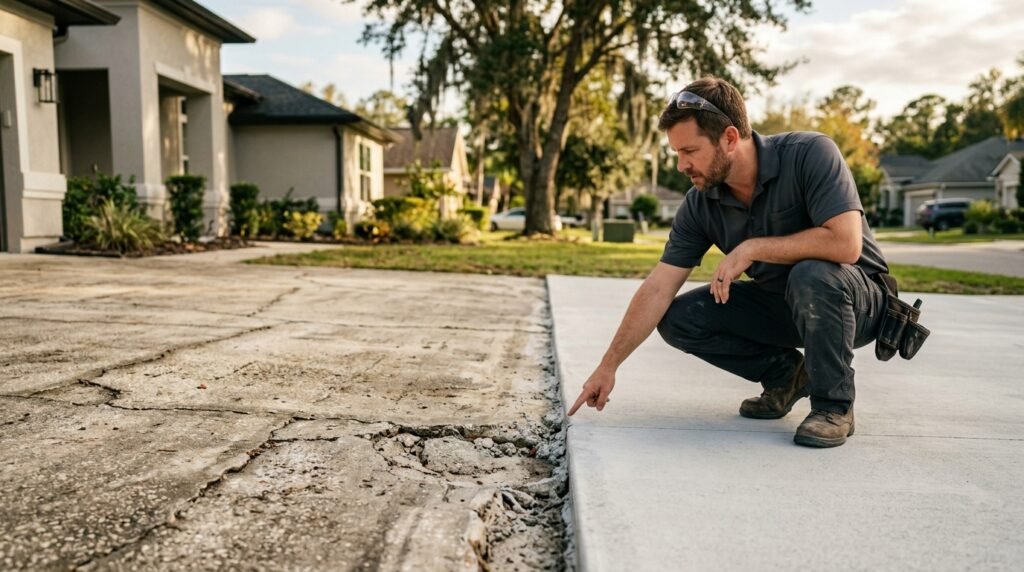
Repair may work when damage is small and the slab still has firm support. A contractor may repair a joint, edge, shallow crack, or limited surface problem before the damage spreads further. Replacement may be the better choice when the slab has deep cracks, major settlement, failed drainage, broken sections, or weak soil below it. A surface patch can’t fix a base that keeps moving. Full replacement lets the crew remove the damaged slab, correct the ground, reset the slope, and install new concrete. Concrete Advantage includes tear-out, subgrade correction, reinforcement, new concrete, finishing, and curing in its replacement work.
Is Concrete Slab Installation a DIY Project?
A tiny nonstructural pad may look simple, but the work becomes difficult once mixing starts. You must measure the volume, prepare the base, set firm forms, control slope, place the mix, and finish before it stiffens. You also need a curing plan and safe disposal for extra material. Larger slabs can overwhelm a small crew because concrete does not pause while people catch up. Structural slabs, building foundations, driveways, and heavy-use areas need professional planning. Hiring concrete slab contractors also gives you help with delivery, tools, reinforcement, joints, access, and local checks. DIY mistakes may cost more to remove than the first installation.
How Should You Choose a Slab Contractor?
Compare the full work plan instead of choosing the lowest total. Ask about similar slab projects, licensing, insurance, site preparation, drainage, reinforcement, mix needs, joints, finishing, and curing. Request a written scope that lists what happens before, during, and after the pour. The contractor should explain how weather delays and hidden soft soil will be handled. Ask who orders concrete, checks depth, controls access, and approves changes. For concrete flatwork Jacksonville FL properties need, also ask how the team will protect doors, walls, landscaping, and nearby pavement. Concrete Advantage says it provides written estimates and manages projects from site planning through finishing and curing.
Final Thoughts on Slab Installation
A lasting slab starts with a clear use, accurate measurements, firm ground, and good drainage. The visible finish is only one part of the job. Base compaction, forms, depth, steel, joints, concrete placement, and curing all affect the result. Before hiring concrete slab contractors, ask for a site review and a written scope. Confirm permits when the slab supports a structure or forms part of a larger building project. For concrete slabs Jacksonville FL property owners are planning, include rain, heat, access, and drainage in the schedule. Careful planning gives the crew a better chance to complete safe, useful work without rushed changes.
Frequently Asked Questions
These short answers cover questions property owners often ask before a slab project. The final choice still depends on the site, planned use, load, drainage, and local rules. A walkway, shed pad, warehouse floor, and slab foundation don’t need the same plan. Use these answers as a starting point, then ask a contractor to inspect the property. Bring measurements, photos, plans, and details about future use. Also mention any past flooding, settlement, roots, buried lines, or access limits. Clear details help the contractor prepare a more complete scope and reduce surprises after digging starts and before the work begins.
How Thick Should a Concrete Slab Be?
Thickness depends on the slab’s use, loads, soil, and design. A walkway doesn’t need the same plan as a driveway, warehouse floor, or slab foundation.
How Much Does a Concrete Slab Cost?
Cost depends on size, depth, steel, access, base work, removal, finish, and permits. Get a local site estimate that clearly lists labor, materials, and cleanup.
How Long Before I Can Use the Slab?
The wait depends on the mix, weather, thickness, and planned load. Ask for separate access dates for walking, vehicles, equipment, walls, or stored materials.
Can New Concrete Be Poured Over Old Concrete?
Sometimes, but only when the old surface is stable and the design allows it. Cracked, moving, or poorly drained concrete may need removal before new work begins.
What Is Concrete Flatwork?
Flatwork includes slabs such as patios, sidewalks, floors, driveways, and parking areas. Concrete flatwork Jacksonville FL projects still need proper slope, base support, joints, and curing.
How Do I Choose the Best Contractor?
Check similar work, licensing, insurance, written scope, base preparation, drainage, reinforcement, and curing plans. Choose clear answers and complete work details, not only the lowest bid.