
Fuel Facility Concrete Contractor in Jacksonville, FL
- Home
- Fuel Facility Concrete
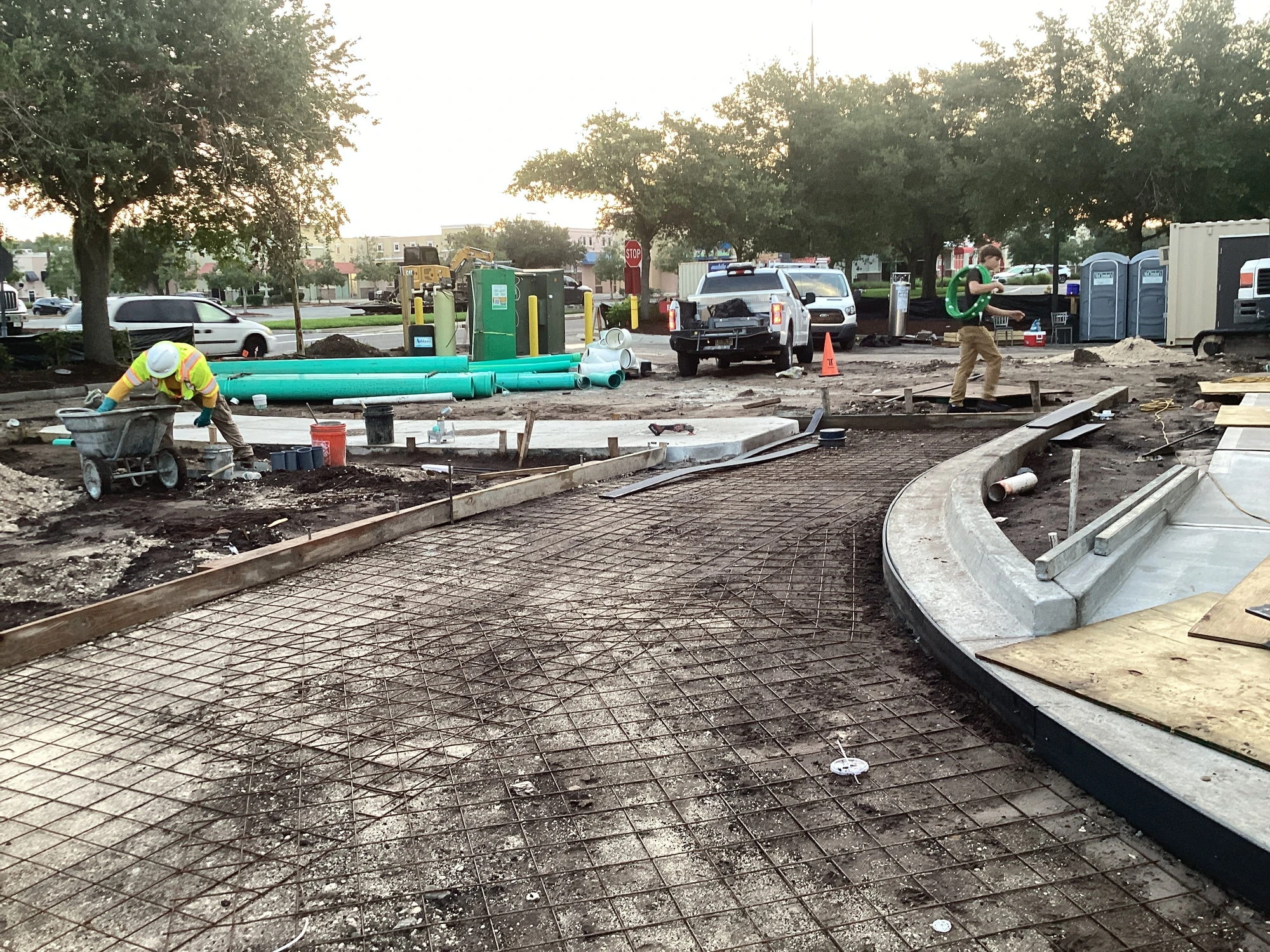
Specialized Fuel & Petroleum Facility Concrete Services
Standard commercial concrete is not built for fuel environments. Gas stations, petroleum distribution facilities, and aviation fuel facilities put concrete under a unique combination of stress. Surfaces there are constantly under chemical exposure from fuel spills and heavy equipment loads from tanker trucks. Strict environmental regulations govern how these surfaces are built and maintained.
Concrete Advantage has extensive experience in fuel station concrete construction across Jacksonville and Northeast Florida. We understand what petroleum concrete construction demands: chemical-resistant mix designs, proper reinforcement, spill containment systems, and drainage engineered to meet environmental compliance standards.
We bring the right field experience to take on a range of projects from tank pad construction to concrete paving for fuel facilities’ parking areas. Our Florida Certified General Contractor license covers every element of the scope, from site prep through final pour and finishing.
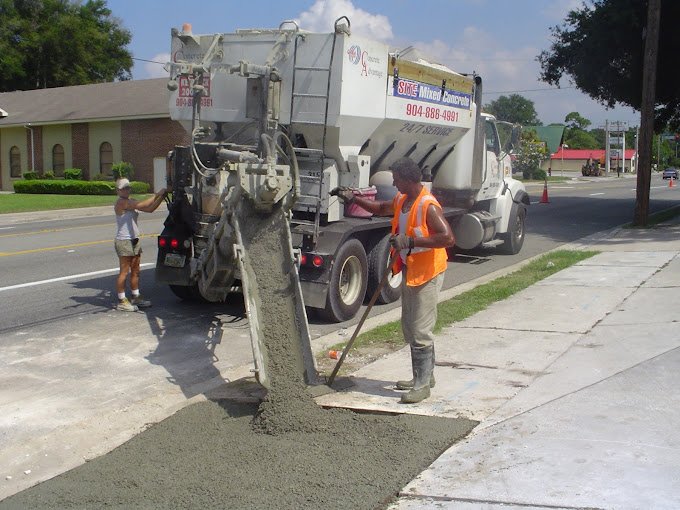
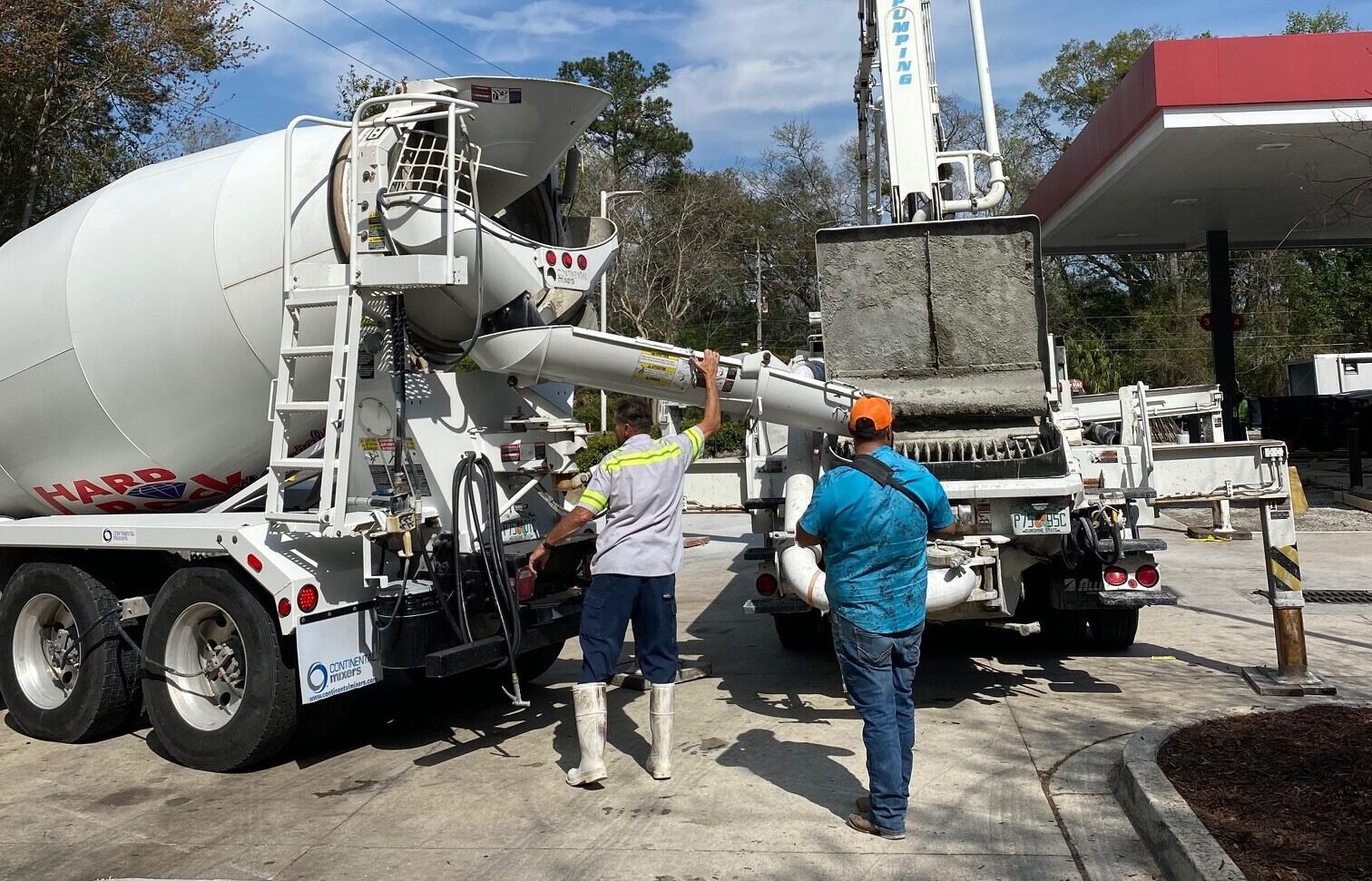
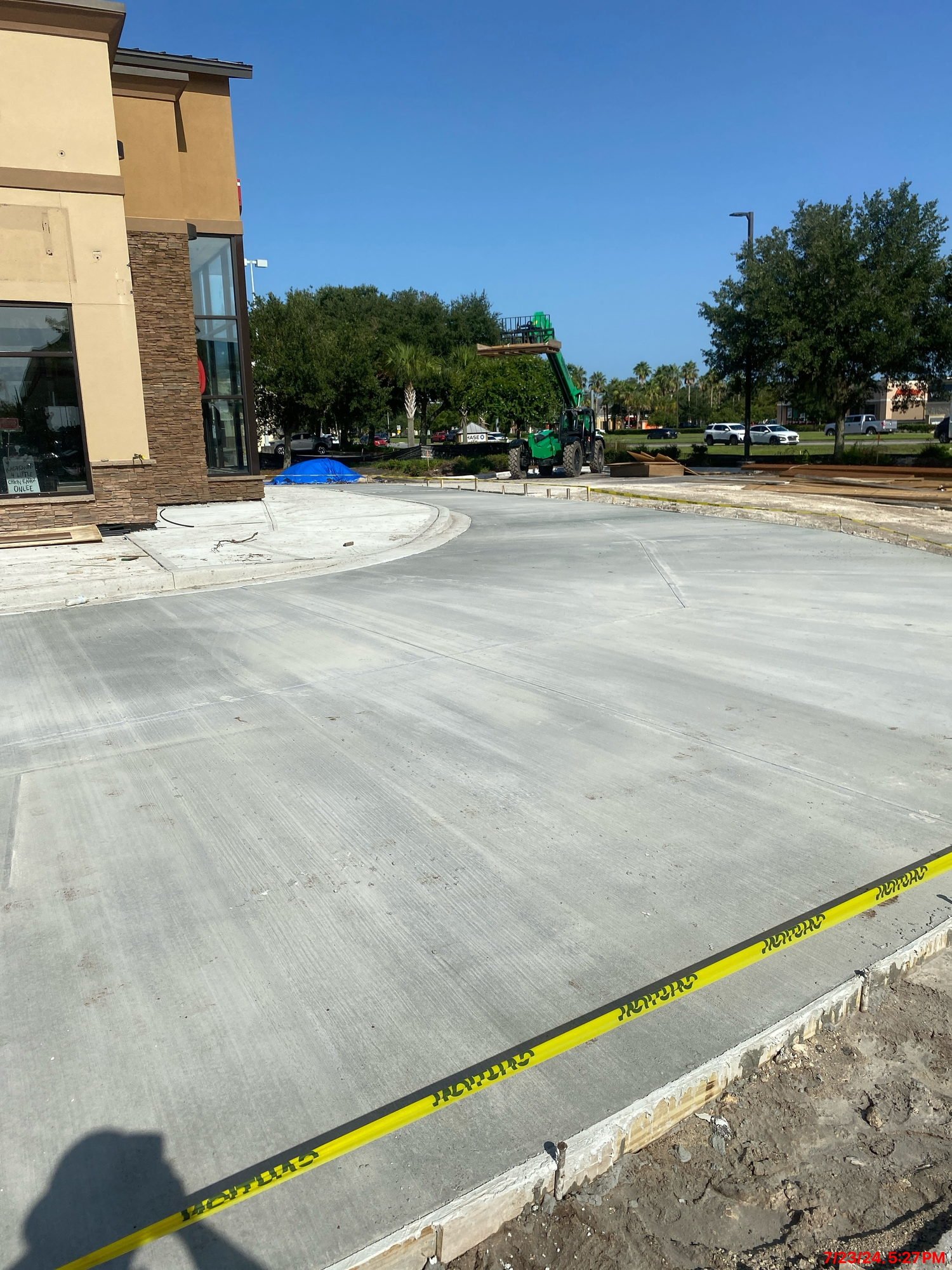
What Fuel Facility Concrete Construction Requires
Petroleum facility concrete involves technical requirements that go well beyond a standard commercial pour. Every element of the scope needs to be designed and executed with the specific demands of petroleum environments in mind:
- Fuel-Resistant Concrete Mix Design: Standard concrete absorbs petroleum and degrades quickly. We engineer mix designs with low water-to-cement ratios, chemical-resistant additives, and appropriate aggregate selection to resist fuel absorption and surface deterioration over the long term.
- Concrete Secondary Containment: Spill containment structures — including containment dikes, bermed slabs, and trench drain systems — must be designed to capture hazardous material and prevent groundwater contamination. We build these to meet federal and state environmental regulations.
- Fuel Island and Canopy Pad Concrete: Fuel pump islands take constant vehicle traffic and repeated fuel spills. The concrete beneath canopy structures and around fuel dispensers must be heavy-duty, properly reinforced, and graded to direct spills toward containment.
- Tank Pad and Equipment Foundations: Underground and above-ground storage tanks require reinforced concrete pads engineered for the load, soil conditions, and long-term stability. We handle the structural concrete for both new installations and replacement pads.
- Drive Lane and Parking Lot Paving: Heavy tanker trucks require heavy-duty concrete pavement with correct slab thickness, rebar spacing, and joint placement. We design drive lanes and parking lots to handle the specific axle loads of fuel delivery vehicles.
Our Advantage on Fuel Facility Projects
Fuel facility concrete is not a project type where you want to learn on the job. Concrete Advantage brings proven petroleum concrete construction experience and the right equipment to handle these projects efficiently and correctly:
- On-Site Volumetric Mixing: We produce fuel-resistant concrete on demand, adjusting mix designs in real time to meet the chemical resistance, strength, and workability requirements of each specific application on the fuel site.
- Phased Construction: Fuel stations often need to remain operational during concrete work. We coordinate phased pours, off-hours scheduling, and section-by-section construction to maintain operational efficiency throughout the project.
- Regulatory Knowledge: Environmental regulations for fuel facility construction are detailed and enforced. We build to meet or exceed those standards on every project — from spill containment dimensions to surface permeability requirements.
- Reinforcement and Durability Spec: Our reinforced concrete construction for fuel environments accounts for thermal expansion, chemical exposure, and the repeated heavy equipment loads that characterize active fuel facilities over the long term.
What Jacksonville Fuel Operators Can Expect From Us
A fuel facility concrete contractor must fully understand the environment he is going to work in and what it demands. Concrete Advantage has earned the trust of fuel facility owners and developers in Jacksonville by delivering concrete that performs under the specific load bearing and chemical resistance demands of petroleum sites.
Direct Experience With Petroleum Sites
We have worked with Gate Petroleum and other fuel operators across the region. That direct experience means we understand how a fueling station operates, what the concrete surfaces face, and how to build for the long term without slowing down the project.
Technical Mix Design Capability
Fuel-resistant concrete requires more than adding a chemical admixture. It requires careful aggregate selection, cement type, water-cement ratio, and curing method. We do it all to produce concrete that resists petroleum degradation and stays cost effective over its full service life.
Licensed, Insured, and Code-Compliant
Our Florida Certified General Contractor license, combined with our environmental compliance knowledge, makes Concrete Advantage a qualified gas station concrete contractor. We are equally trusted by both private operators and commercial property developers in Jacksonville, FL.
FAQs — Fuel Facility Concrete
Fuel facility concrete uses specialized mix designs with lower permeability, chemical-resistant additives, and correct reinforcement to resist petroleum exposure. Standard concrete degrades quickly in fuel environments, which is why mix engineering matters significantly on these projects.
Concrete secondary containment (containment dikes, sloped slabs, and trench drains) is designed to capture fuel spills and prevent contamination from reaching the groundwater. We build these systems to meet applicable federal and Florida DEP environmental regulations.
Yes. We regularly work in phases and schedule pours during off-hours to minimize disruption to fuel station operations. Safety coordination with station management is a standard part of our project planning.
With a correctly engineered mix design, proper reinforcement, and good site drainage, fuel facility concrete typically lasts 30 to 50 years. Chemical resistance and slab longevity depend heavily on the quality of installation and mix specification.
Get a Free Estimate on Your Fuel Site
Concrete Advantage delivers fuel facility concrete construction in Jacksonville, FL. Contact us today for a free estimate on your project.
Need Help? Contact Us Today!
We are here to assist you. If you have questions or need support, please reach out to our team, and we will be happy to help.