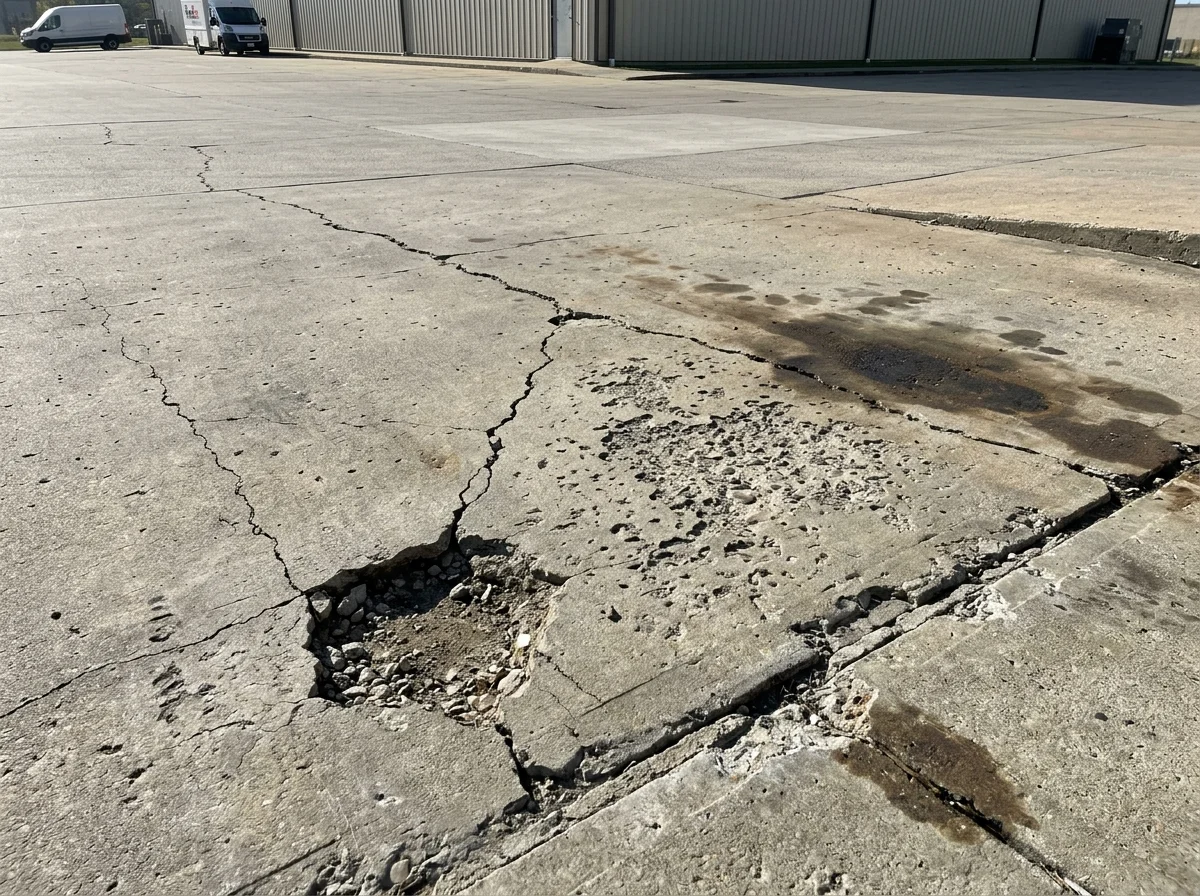
Commercial concrete driveways in Jacksonville experience more than just daily traffic from vehicles. The region experiences a hot and humid climate with frequent precipitation, intense sunlight, and some coastal exposure. Over time, these conditions can weaken concrete surfaces and affect concrete driveway lifespan, particularly if drainage, joints, or existing cracks are not properly maintained.
In July 2026, Jacksonville had an average relative humidity of 72% and 16 days with thunderstorms and 7 days with heavy rain. These conditions show why Jacksonville, FL, weather affects concrete driveways in ways that commercial property owners need to consider.
How Jacksonville Weather Impacts Commercial Concrete
A commercial driveway is required to withstand repeated vehicle loads, as well as moisture and temperature changes. It is not always the weather that’s to blame for failure, but it can shorten the shelf life of concrete that may already be flawed.
Heavy Rain and Moisture
Rain is one of the biggest concerns for weather effects on concrete driveways in Jacksonville. Water can enter small cracks and porous areas, remain around joints, or collect beneath sections where drainage is poor.
Surface deterioration, staining, edge erosion, and damage to the base can be caused by standing water. Frequent use of vehicles can cause further deterioration of commercial properties where there is regular car parking traffic.
The correct grading and drainage system will divert water away from the concrete rather than hold water on or under the concrete surface.
Heat and Intense Sunlight
Concrete is given a challenging test during the summer months in Jacksonville. According to the National Weather Service, Jacksonville had an average relative humidity of 72% during the July 2026 high of 98°F.
Repeated heating and cooling can cause concrete expansion and contraction. Over time, this movement can place stress on joints and existing cracks. Surface drying and subsequent gradual discoloration can also happen with direct sunlight.
It isn’t to say that every hot day will ruin a commercial driveway, but it does mean that they aren’t necessarily the best choice for every climate. The greater concern is repeated temperature stress combined with poor installation, weak areas, inadequate joints, or existing deterioration.
Humidity and Coastal Conditions
The high moisture content may cause the concrete to remain damp longer, leading to more difficult surface-related issues. Commercial properties closer to Jacksonville’s coastal areas may also experience additional exposure to salt-laden air.
Salt exposure will not automatically cause a concrete driveway to fail, but over time, multiple exposures to moisture and salt can cause deterioration in a pre-existing crack, damaged section, or exposed reinforcing materials.
Why Concrete Sealing Matters in Jacksonville
Concrete sealing in Jacksonville, FL, is an important part of commercial concrete driveway maintenance, but sealing is not a substitute for repairs. A properly prepared concrete surface can be protected from some environmental exposure by a sealer, which will help eliminate moisture penetration.
The surface to be sealed should be cleaned and adequately dry. Guidance from FDOT states that surface preparation and drying of concrete prior to application of a penetrating sealer is appropriate after rainfall.
For a commercial property, the right maintenance approach may include:
- Cleaning dirt, oil, and other contaminants
- Inspecting cracks and expansion joints
- Repairing damaged areas before sealing
- Applying an appropriate concrete sealer
- Maintaining drainage around the driveway
- Checking the surface after periods of heavy rain
A professional can also be able to identify whether the present concrete can be sealed or will need much more restoration first.
Commercial Concrete Driveway Damage to Watch For
Frequent inspections can keep Jacksonville businesses from having to deal with bigger repairs. Look for:
Small and widening cracks: Water can seep into the concrete and underlying layers through small cracks. An ever-expanding crack needs a professional assessment.
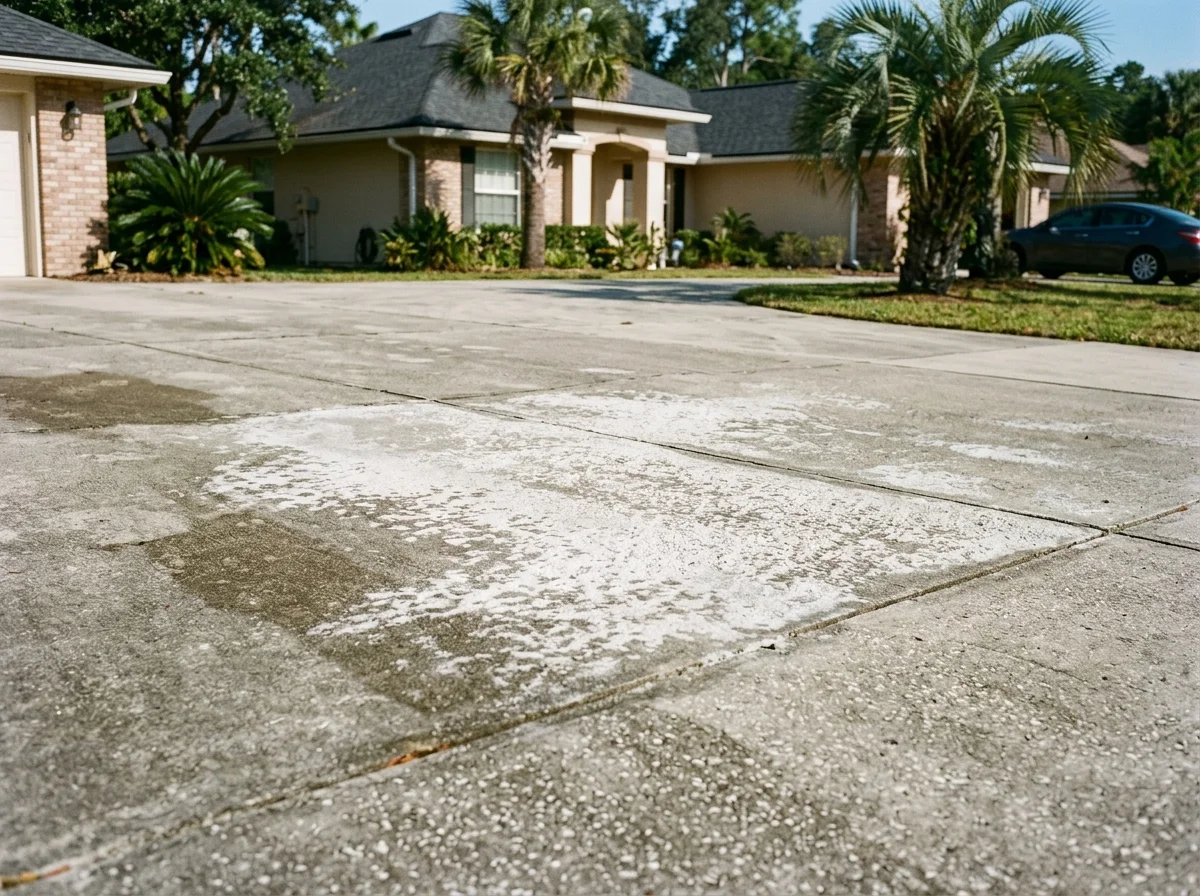
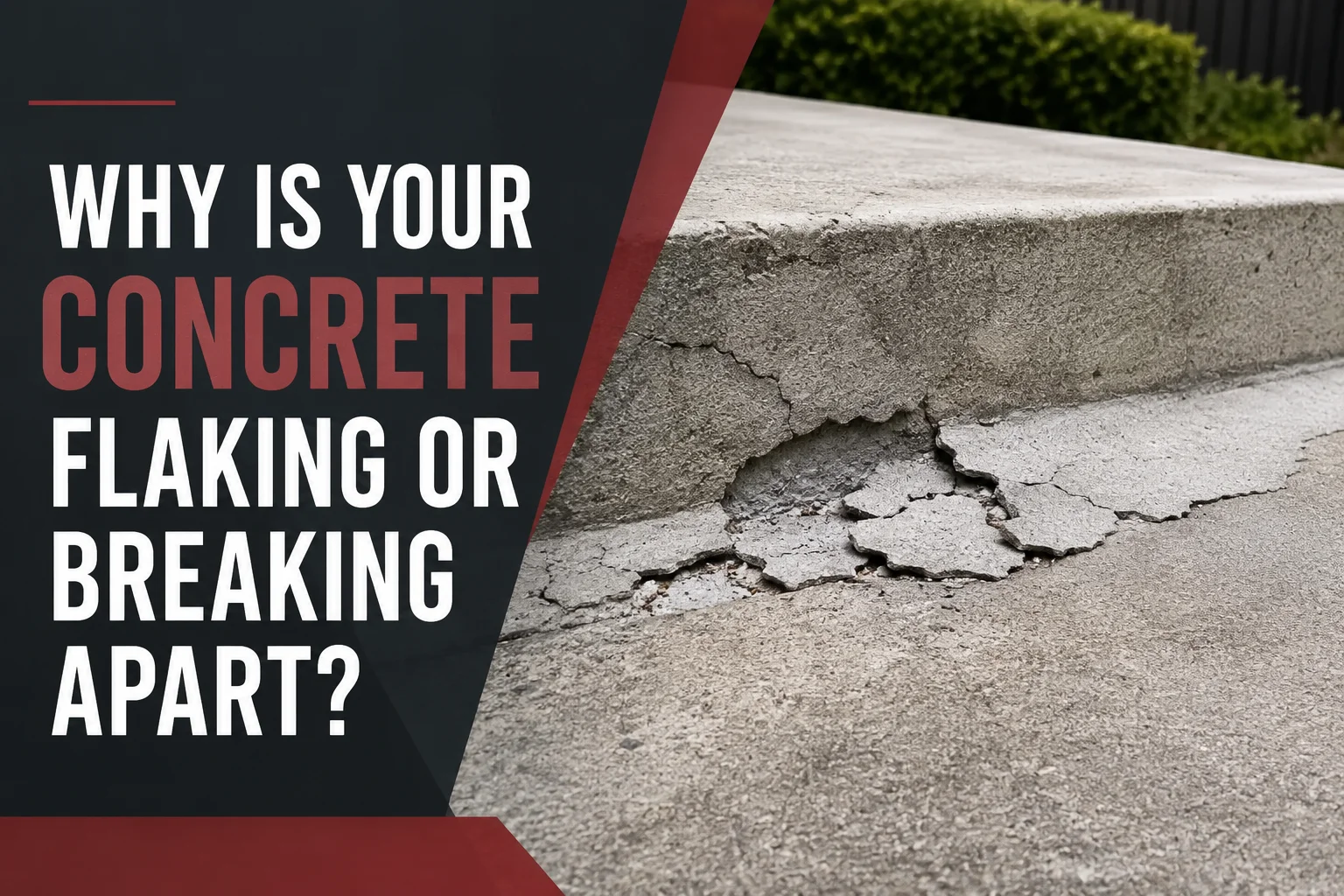
Surface scaling or flaking: Where surface layers start to flake or peel off can be a sign of moisture damage, surface wear, or other specific concrete issues.
Standing water: Puddles that do not drain away after rainfall can be a result of drainage or slope problems, not just a surface problem.
Discoloration: Variations in the color of the surface may be caused by weather, moisture, contaminants, previous repairs, or surface treatments.
Joint deterioration: Damaged joints can make it possible for water to enter an area meant to allow for concrete movement.
Uneven sections: These can cause vehicles using commercial access areas to experience greater stress and create trip hazards and drainage issues for settlement.
Florida Concrete Maintenance Tips for Commercial Properties
The main goal of a practical concrete driveway maintenance plan is to minimize moisture problems and deal with deterioration early on. Take a proactive approach with regular checks, particularly following heavy rain. Inspect vehicle turning and stopping points, edges, drainage points, joints, and cracks.
Keep drainage paths clear so water does not remain on the concrete. Additionally, oil and chemical spills should be cleaned up quickly, as commercial driveways may be more likely to be exposed to vehicles’ fluids and other contaminants than lightly used surfaces.
Sealing should not be scheduled, but rather based on the condition and type of concrete. If the surface already has significant cracking, scaling, settlement, or structural damage, sealing alone will not solve the underlying problem.
When Commercial Concrete Repair Is Needed
Not all driveways need to be replaced. If deterioration is limited to a small area and the underlying concrete is safe, concrete driveway repair might be a viable solution. Professional work can range from crack repair, joint repairs, surface restoration, leveling, to even local replacement. If the damage is more severe, it may be necessary to resurface the driveway in Jacksonville, FL, or even rebuild it all together.
What’s crucial is finding the problem first and then selecting the repair. Even if a crack is repaired without fixing standing water, settlement, or drainage problems, the same issues can manifest themselves again.
For Jacksonville businesses, Concrete Advantage can help evaluate commercial concrete surfaces and determine which repair or protection approach fits the property’s condition.
How to Protect Commercial Concrete From Jacksonville Weather
The best protect a concrete driveway from Florida weather strategy combines installation quality, drainage, routine inspections, timely repairs, and appropriate surface protection.
Commercial property managers should take extra care before the wetter and hotter times in Jacksonville. To illustrate the exposure of commercial concrete to wet weather conditions, the National Weather Service reported 13 heavy-rain days and 16 days with thunderstorms during spring 2026.
Businesses can prevent larger areas of a driveway, access lane, or loading dock from being damaged by performing a regular maintenance routine.
Frequently Asked Questions
How does Jacksonville weather affect concrete driveways?
Jacksonville’s hot, humid climate, along with heavy rains and temperature swings, can cause concrete driveways to deteriorate. Commercial traffic can accelerate this deterioration when drainage or surface maintenance is inadequate.
Why do concrete driveways crack in Florida?
Cracking can result from several factors, including concrete movement, moisture, soil settlement, improper joints, installation problems, and repeated vehicle loading. Jacksonville’s changing weather conditions can make existing weaknesses more noticeable over time.
Does humidity damage concrete driveways?
High humidity alone won’t hurt solid concrete. But it keeps moisture lingering near the surface, making existing cracks, drainage problems, or other flaws worse.
Should commercial concrete be sealed in Jacksonville?
Sealing protects concrete against moisture and tough weather. But make sure you fix any damage first; sealers won’t solve structural or drainage problems.
When should I repair a commercial concrete driveway?
Address repairs immediately once cracks start growing, water pools up, surfaces get rough, joints come apart, or sections become uneven. Fixing early stops small problems from growing into bigger headaches.
Final Thoughts: Protect Commercial Concrete From Jacksonville Weather
Jacksonville’s mix of heat, humidity, rain, and coastal air means commercial driveways need regular maintenance. Stay ahead of issues by checking drainage, inspecting surfaces, handling repairs, and sealing when it’s needed. That way, you minimize damage from the weather.
For businesses that need professional evaluation or concrete services in Jacksonville, Concrete Advantage can help identify surface problems and recommend practical steps to protect the concrete.