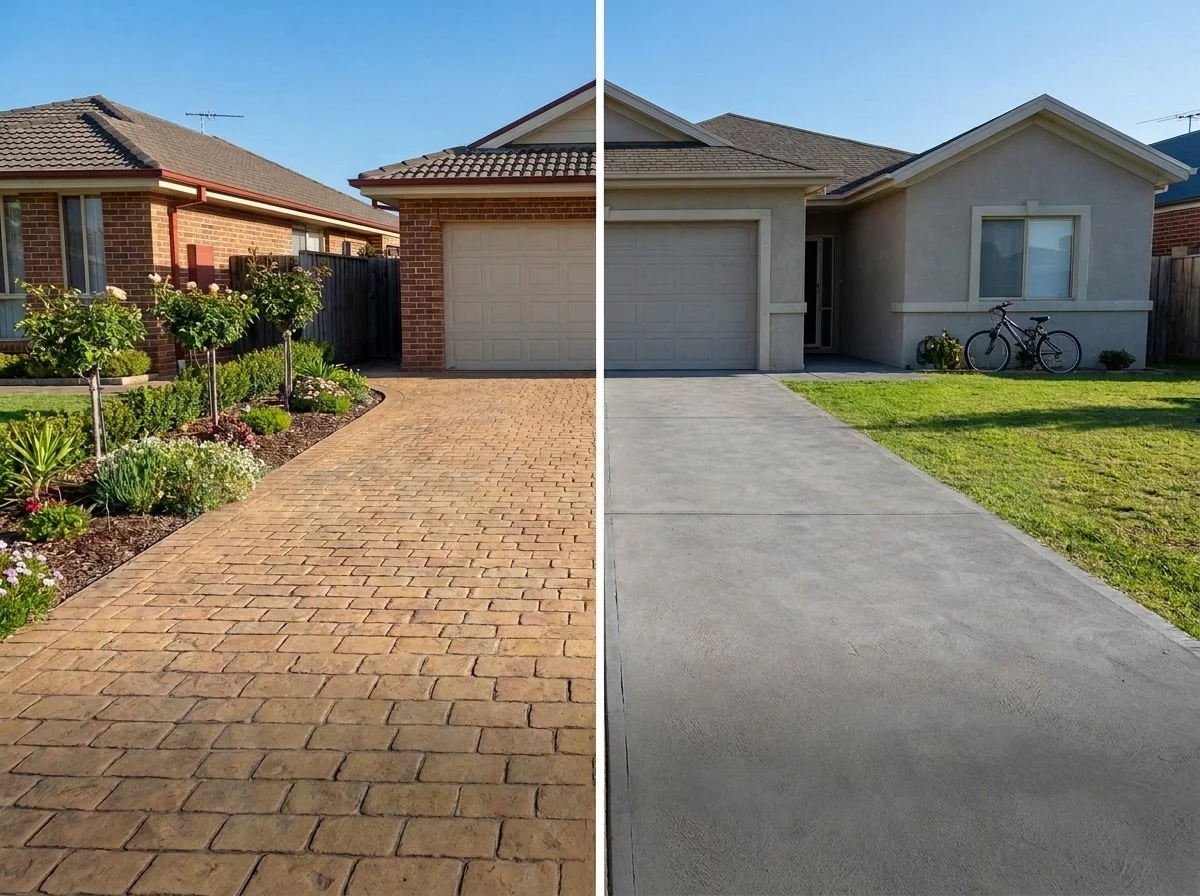
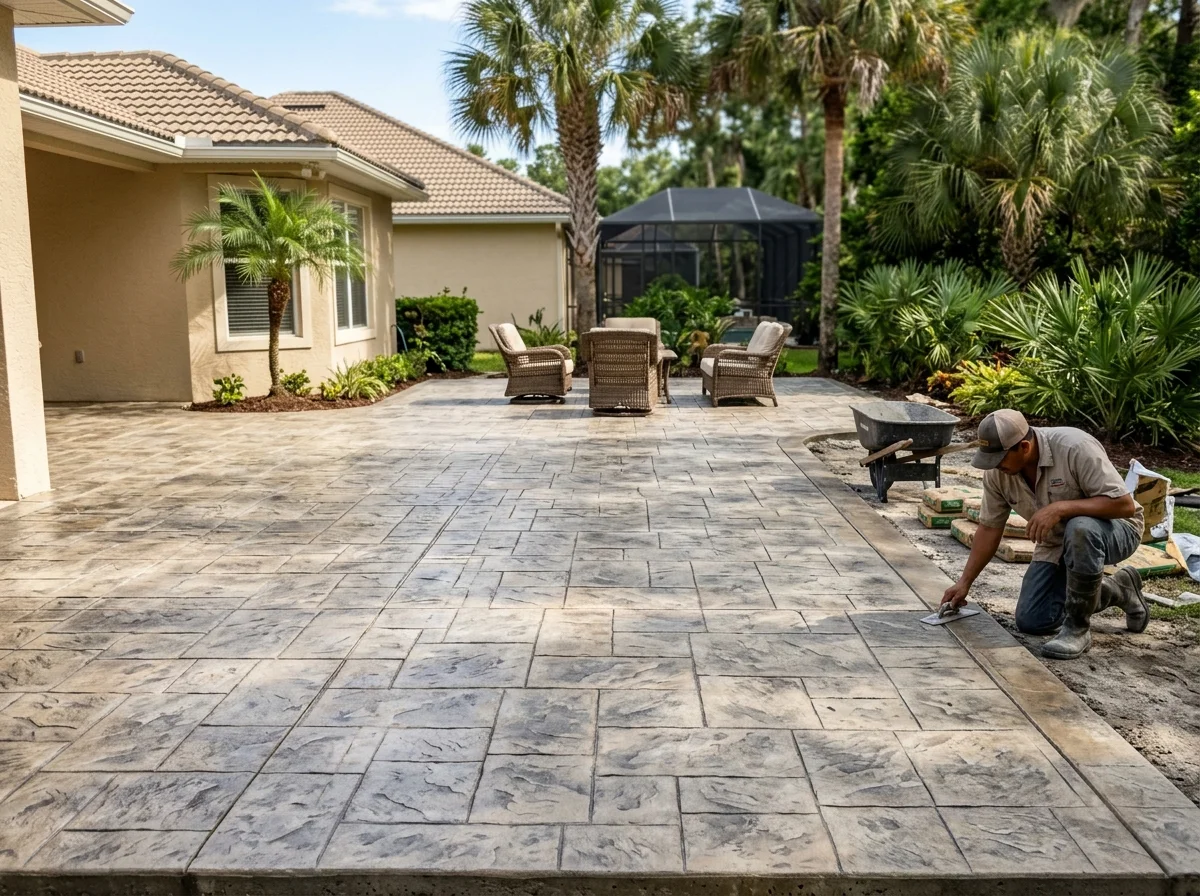
An effective patio design for a commercial property can increase the amount of usable outdoor space as well as enhance its appearance and customer experience. Stamped concrete can be installed on commercial properties to produce a gorgeous surface without the need for special pavers or natural stone.
Stamped Concrete Patio Installation is a combination of a poured concrete slab with decorative patterns, textures, and colors. In Jacksonville, the installation also needs to account for heat, humidity, heavy summer rainfall, drainage, and regular commercial foot traffic. Rainfall in Jacksonville tends to be more frequent in the warmer months, so site preparation and water management are critical, particularly in these seasons.
What Is Stamped Concrete Patio Installation?
The first concept of a stamped concrete patio installation guide is that fresh concrete is poured, leveled, stained (if required), and tamped with the chosen stamps before it has hardened. The outcome can be made to look like brick, slate, cobblestone, planks of wood, or other decorative materials.
The design for commercial properties must be a combination of appearance and function. New patterns and textures, reinforcement methods, and maintenance schedules might be needed for a bustling restaurant patio, hotel pool area, or office outdoor space as opposed to a lightly used space.
Common design options include:
- Brick-style stamping for traditional commercial exteriors
- Slate texture for a more natural appearance
- Cobblestone patterns for restaurants and hospitality spaces
- Wood plank concrete designs for modern outdoor areas
- Custom color combinations that match the property
- Textured finishes that provide additional surface traction
The Commercial Stamped Concrete Installation Process
Professional installation involves more than pouring concrete and pressing a pattern into it. Each stage affects how the finished patio performs over time.
1. Patio Layout Planning
The project starts with the measurements, traffic analysis, planning, and design of the drainage system. Contractors are able to determine patio layout, access, edges, slopes, and potential connections to sidewalks, parking areas, pool decks, or building entrances. Also, commercial properties must take into account the use of the space by customers, employees, furniture, equipment, and maintenance vehicles.
2. Site Preparation
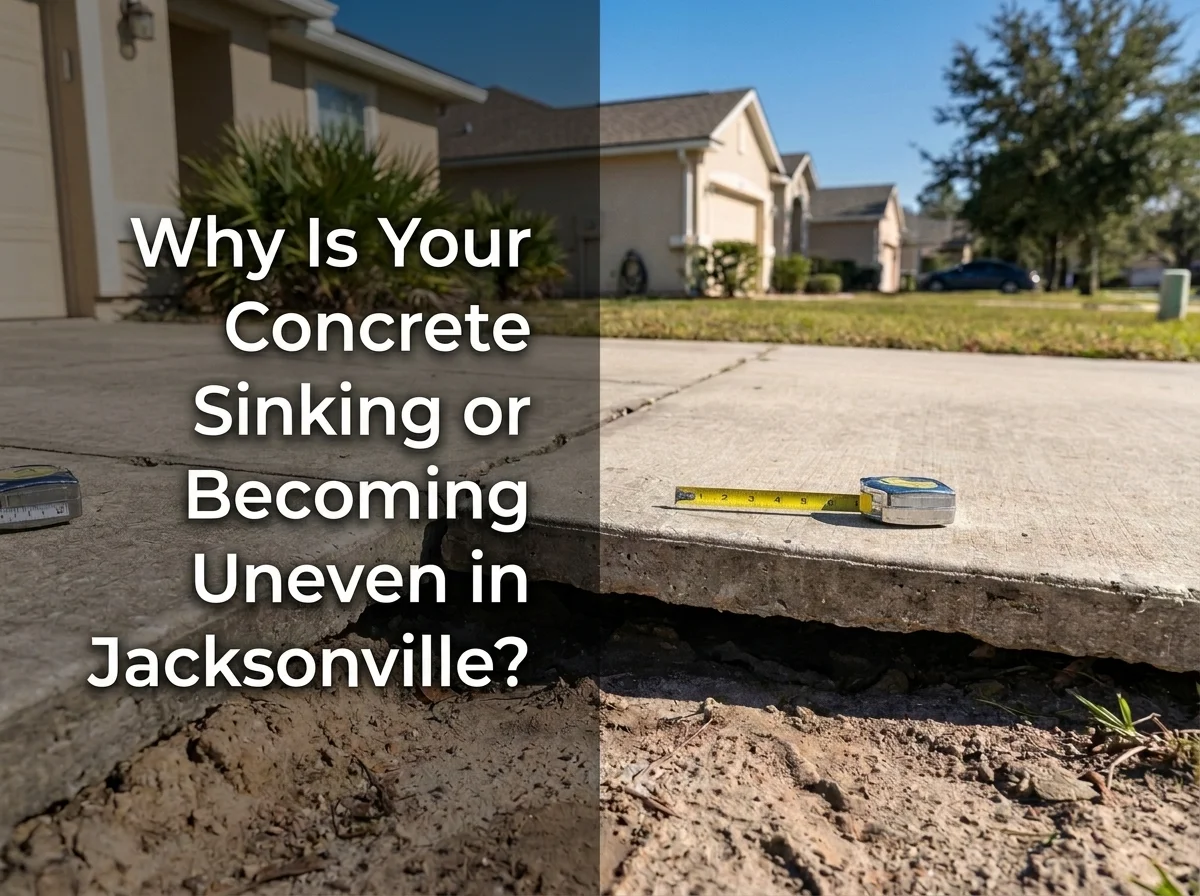
Good site preparation aids in reducing settlement and surface issues. This will consist of various tasks, including ground excavation, extraction of poor material, compaction of the subgrade, and preparation of a stable concrete base, depending on conditions. Jacksonville’s rainfall makes drainage particularly important. Water should have a planned path away from the patio rather than collecting against the slab or building.
3. Forms and Reinforcement
The patio is finished with forms that create its final size and boundaries. Reinforcement can then be laid in place as per the design and engineering specifications of the project. Commercial use may be heavier and cover larger areas, so the reinforcement, concrete mix, slab design, and joint layout should be chosen depending on the application and not just a simple residential slab.
4. Concrete Pouring and Leveling
The concrete is poured onto the prepared area and pushed into the forms. Crews then perform concrete leveling and finishing to create the proper surface elevation and slope. Timing matters during this stage. The concrete needs to reach the right condition before coloring, stamping, and other finishing work begins.
5. Adding Color and Decorating Patterns
Depending on the system selected, color hardener or integral color, release materials, or other approved methods may be used. The stamping is done when the concrete is still workable, and the pattern is produced there. Skilled crews must ensure a uniform texture and alignment throughout the area and, particularly for large commercial patios, throughout the entire surface.
6. Curing and Sealing
The concrete requires the appropriate curing period after the stamping and finishing operations. If conditions are right, a sealer can be used to help protect the decorative surface. Waterproofing, staining protection, surface protection, and weather-resistant protection can be achieved through the concrete patio sealing services. The type of sealer and method of application will be different depending on the concrete, traffic, exposure, and manufacturer’s specifications.
Choosing the Right Stamped Concrete Patio Design
Ideal stamped concrete patio designs should complement the design of the property as well as the purpose of the patio.
A brick/slate pattern can create a structured presentation for a restaurant. Natural stone finishes can be used in outdoor seating and pool designs for hotels and hospitality properties. Clean geometric designs can work well with contemporary building materials and be used on retail and office buildings.
Color also matters. A subtle combination can create a professional appearance without making the patio compete with the building. Such elements as borders, contrasting sections, and decorative bands can further mark entrances, seating areas, or walkways. The intention is to have the outdoor design blend together naturally and be functional for commercial use.
Why Jacksonville Commercial Properties Need Proper Installation
Jacksonville’s unique climate poses unique challenges for outdoor concrete. The region is characterized by high humidity, warm summers, and frequent and occasional heavy rain. This goes to show that professional stamped concrete installation should not only be concerned with the look.
Drainage and Water Management
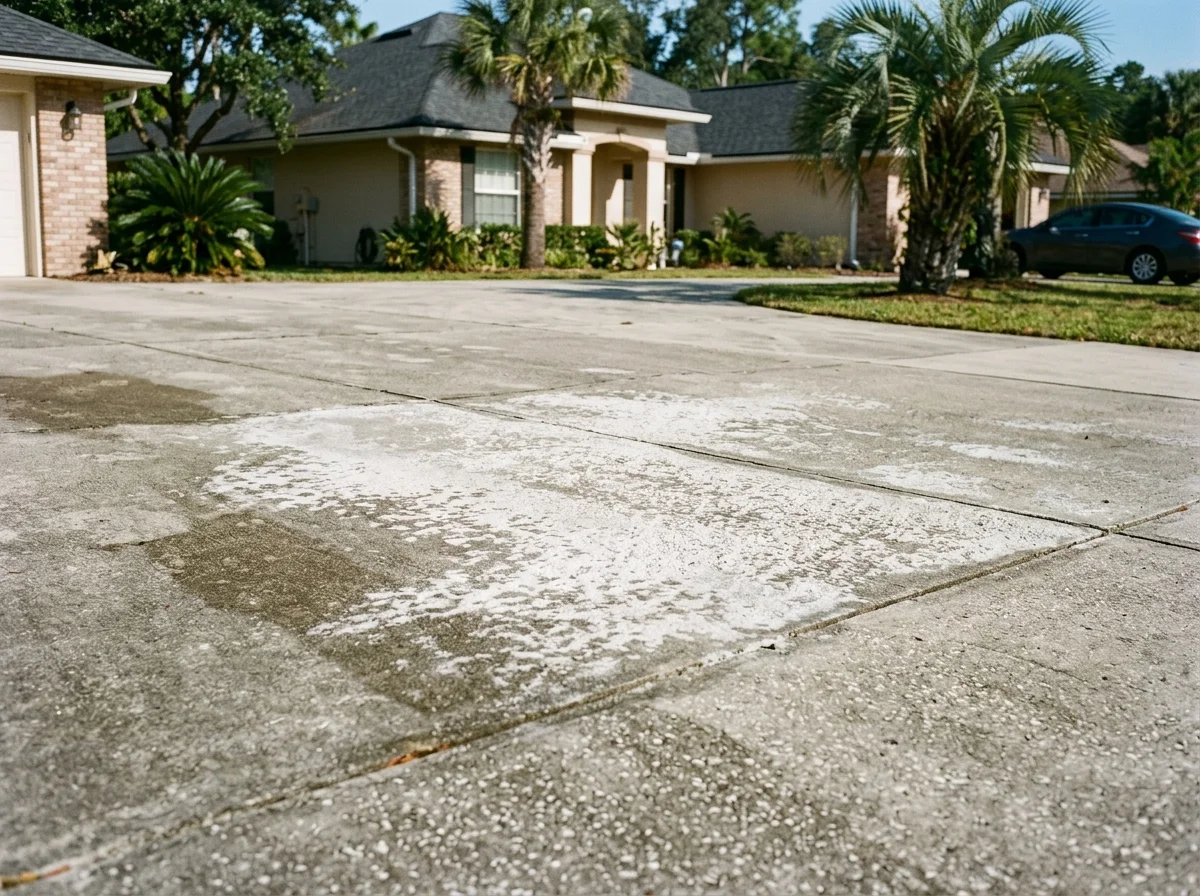
Prior to the pouring of concrete, the patio slopes, surrounding grades, and drainage features should be taken into consideration. Water management issues may lead to standing water, stains, slab erosion, and water-related issues.
Surface Protection
An added layer of weather protection and the maintenance of the appearance of decorative concrete are afforded by a quality sealer. Sealing is not a substitute for good drainage, curing, joint planning, or proper concrete installation.
Commercial Traffic
There can be a lot more people on a commercial patio than on a standard outdoor space for homes. The surface can be impacted by furniture moving, cleaning equipment, deliveries, and frequent customer usage. Therefore, the concrete mix, slab design, reinforcement, finishing, and maintenance plan should be consistent with the actual requirements of the property.
Stamped Concrete vs. Other Patio Options
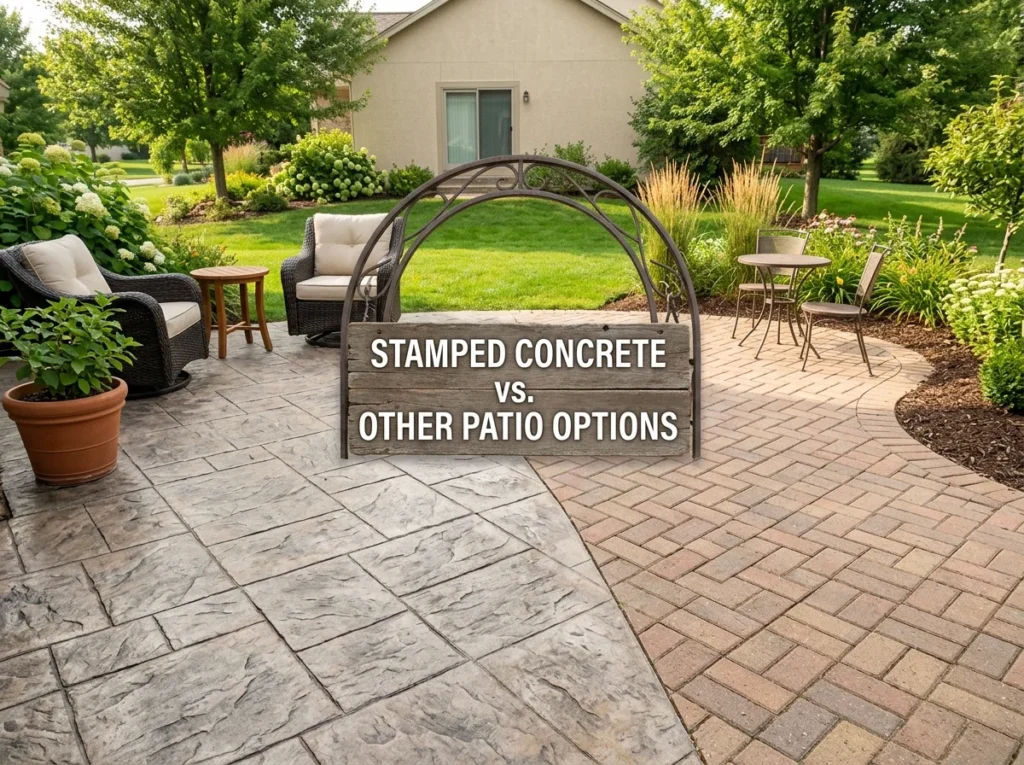
The flexibility of stamped concrete is that one surface can be made to look like several top-quality materials. It may even mix borders, shades, patterns, and various textures into a single design.
Concrete is a continuous surface with fewer individual pavers to move when compared to individual pavers. In addition to its aesthetic appeal, stamping also provides an opportunity to add a unique touch to a commercial outdoor space compared with plain poured concrete.
The right option still depends on the site’s budget, design requirements, drainage conditions, expected traffic, and long-term maintenance plan.
Maintaining a Commercial Stamped Concrete Patio
If you want your patio to look good and perform well, don’t forget the basics. Get rid of leaves, dirt, leftover food, and other debris before they stick and become tough to clean. Regular pressure washing works; just make sure the surface and sealer can handle it.
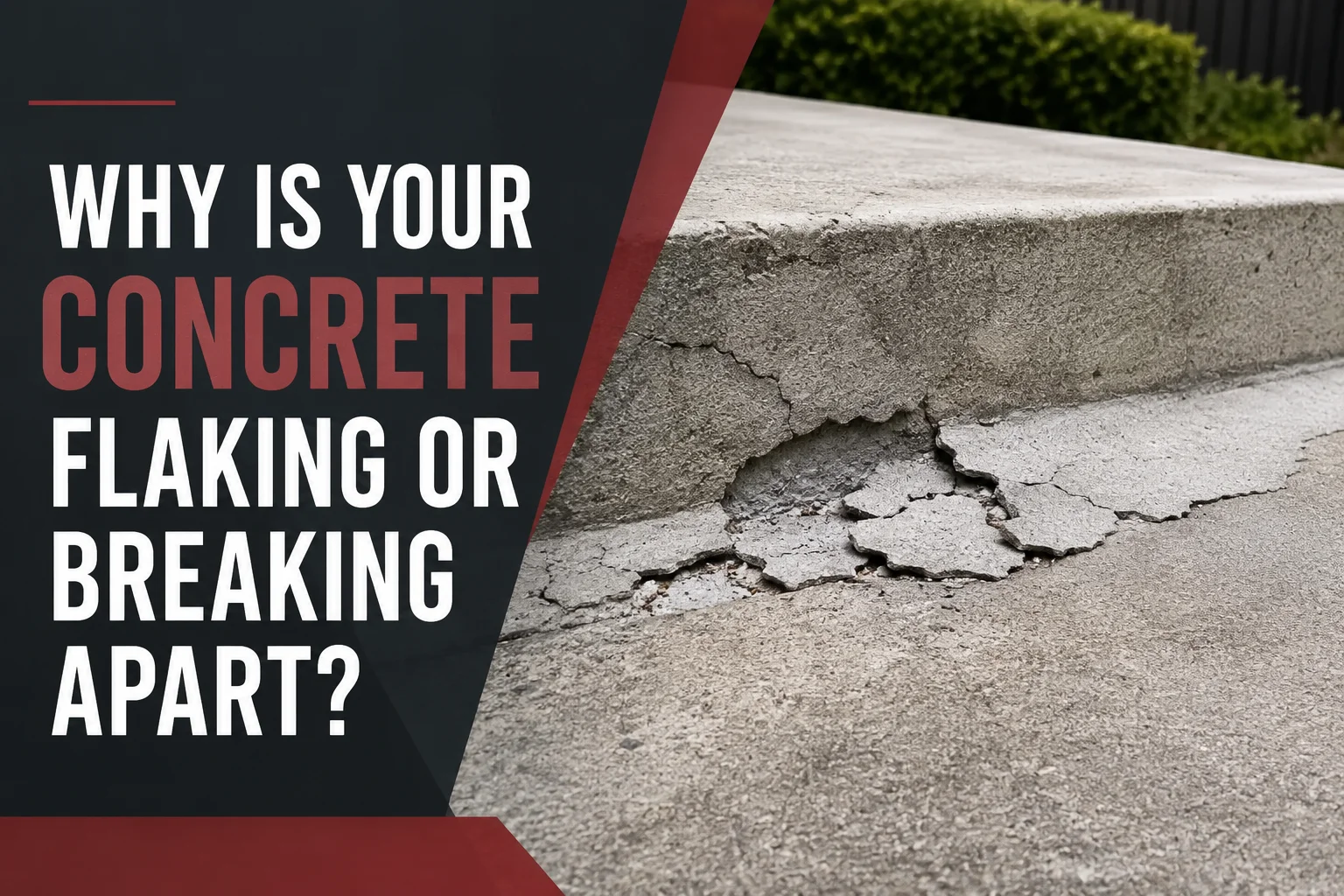
Property managers need to keep an eye out for cracks, worn spots, discoloration, drainage issues, or places where the sealer’s broken down. Don’t wait until damage is obvious; schedule routine checks instead.
If an existing commercial patio has worn or discolored concrete, Patio Resurfacing Jacksonville, FL services may be an option depending on the condition of the existing slab. Severely damaged or structurally compromised concrete may require more extensive repair or replacement.
When to Hire a Commercial Concrete Contractor
Installing a commercial patio goes far beyond picking a decorative finish. The conditions on site, drainage, prepping the slab, reinforcement, how the concrete is poured, pattern placement, curing, and sealing, each factor counts.
Working with a skilled contractor helps you spot potential problems before they happen. Concrete Advantage can help commercial property owners plan an outdoor concrete surface around the property’s design, use, and site conditions.
Before approving a project, ask for a clear scope of work covering preparation, concrete specifications, reinforcement, decorative finish, joints, curing, sealing, cleanup, and any required permits or inspections.
Frequently Asked Questions
What is stamped concrete patio installation?
Stamped concrete patio installation means pouring new concrete, adding color or decorative touches, and then stamping patterns into the surface before it dries. You can get the look of brick, slate, cobblestone, or wood, but the patio stays a single, solid concrete surface.
How much does stamped concrete patio installation cost?
Cost depends on the size of the patio, site prep, concrete details, reinforcement, pattern complexity, colors, access, and how you want it finished. For commercial properties, pricing should come after checking out the actual site, not just a standard price per square foot.
Can stamped concrete patios handle Florida weather?
Yes, well-designed and properly installed stamped concrete stands up to Florida’s heat, humidity, rain, and the occasional big storm. Drainage, using the right concrete products, proper curing, smart joint placement, and maintaining the seal all add up to a patio that lasts.
How long does stamped concrete take to install?
Timing changes based on size, site conditions, design complexity, the weather, and curing needs. A small commercial patio might be quick, but prepping, decorative work, or breaking the job into sections takes longer if you have a bigger property.
How often should stamped concrete patios be sealed?
There’s no single answer for every patio. Foot traffic, sun, rain, how you clean, and what kind of sealer you’re using shape the maintenance schedule. Property managers should check the surface often and follow the sealer manufacturer’s advice.
Final Thoughts: Building a Durable Commercial Outdoor Space
A good stamped concrete patio in Jacksonville, FL, takes careful design, prep, drainage planning, solid concrete, and regular maintenance. For commercial spaces, picking the right stamp pattern is only part of the job; you want a surface that stays strong through daily use.
Concrete Advantage can help businesses approach the project with both appearance and practical performance in mind, from initial layout planning through installation and finishing.