Your driveway’s cracking. Or it’s getting old and settling unevenly. Maybe you’re thinking about replacing that old asphalt with concrete driveways Jacksonville FL. Either way, you’re wondering what’s actually involved, what it costs, and whether repair or replacement makes sense. This guide covers everything about concrete driveways Jacksonville from what goes into installation to why cracks happen to realistic costs you should expect.
We talk about concrete driveway repair versus replacement, why Jacksonville’s heat and humidity matter for concrete, and how to pick a concrete driveway contractor. By the end, you’ll understand your options and what questions to ask before hiring anyone for driveway work. Jacksonville’s specific climate and soil conditions affect concrete differently than places up north, so local knowledge actually matters here. Visit Concrete Advantage to learn more about our concrete capabilities throughout Jacksonville and Northeast Florida.
Why Concrete Driveways Make Sense in Jacksonville
Concrete driveways Jacksonville FL hold up better in our climate than asphalt does. Jacksonville heat causes asphalt to soften and track. Asphalt needs resealing every few years or it deteriorates fast. Concrete doesn’t have those problems. You install it right, maintain it properly, and it lasts decades without constant upkeep like asphalt requires.
Concrete also looks cleaner and more professional. It doesn’t track tar onto your shoes or your car’s tires. It doesn’t create that black dust that gets everywhere. Jacksonville’s humidity keeps asphalt perpetually damp looking even after it rains. Concrete dries out and looks sharp. If you’re planning to stay in your home long term or thinking about selling, concrete driveways Jacksonville add real value compared to asphalt.
Understanding Concrete Driveway Installation
Concrete installation starts with proper site preparation. You can’t just pour concrete on whatever’s there and expect it to last. The subbase matters. The drainage matters. Jacksonville’s sandy soil actually helps drainage which is good, but contractors need to understand how much base material your driveway needs given our soil conditions.
A proper concrete driveway installation includes a four to six inch base of compacted gravel or recycled asphalt, depending on load requirements. Then the concrete itself goes on top. Thickness is usually four to six inches for residential driveways, depending on expected use. A contractor who’s doing this right takes time with base preparation, not rushing through that part to save money and time.
Reinforcement matters too. Steel rebar or wire mesh holds the concrete together and controls crack patterns. Proper rebar spacing and placement prevent random cracking. A concrete driveway contractor using correct reinforcement creates driveways that last. One cutting corners creates driveways that crack within a year or two. For larger pavement and site projects, explore our concrete paving and site concrete services.
Jacksonville Climate Considerations
Jacksonville’s heat puts stress on concrete that northern climates don’t experience. The heat causes concrete to expand. When it cools at night, it contracts. This constant expansion and contraction over years creates stress. With proper installation and drainage, this isn’t a major problem. But cheap work that doesn’t account for this movement fails faster in Jacksonville than elsewhere.
Humidity in Jacksonville also matters. Moisture under concrete causes problems. If water pools under your driveway, expansion and pop-offs happen. That’s why drainage during installation and under the concrete matters so much in Jacksonville. Some contractors skip proper drainage thinking it’s an unnecessary cost. Then driveways fail in a few years and customers are frustrated.
Salt air near the coast accelerates concrete deterioration. If you’re in or near coastal Jacksonville areas, extra protection like sealed concrete helps it last longer. Concrete near the beach takes more abuse than concrete five miles inland. A quality contractor factors these location-specific conditions into their install method and material choices.
Driveway Cracks Repair and When to Worry
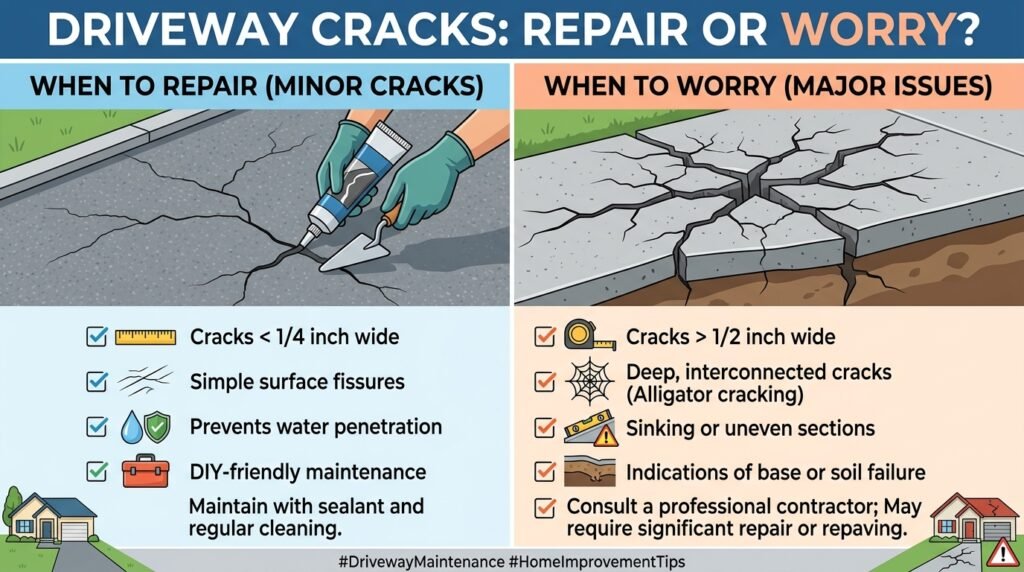
Small cracks in concrete are normal. Concrete cracks as it cures and as it experiences temperature changes. A hairline crack that’s half an inch wide and isn’t growing? That’s fine. Seal it and move on. Driveway cracks repair for small issues is straightforward.
Wider cracks, especially ones that are actively growing, indicate real problems. A crack that’s a quarter inch or wider suggests movement or settling happening. This needs assessment. It could be base failure under the concrete. It could be subgrade movement. It could be poor installation. Whatever the cause, wider cracks need professional evaluation before you just patch them.
Multiple cracks spreading throughout the driveway indicate systematic failure, not isolated problems. This usually means driveway replacement is smarter than patching individual cracks. A driveway cracking everywhere is telling you the base, subgrade, or installation was substandard. Repair work patches symptoms. Replacement fixes the problem.
Concrete Driveway Repair Options Available
Small isolated cracks get sealed with concrete crack filler. This stops water from getting in the crack and expanding it. Water in cracks freezes and thaws in winter if you’re in climates with that. Jacksonville doesn’t freeze but water still causes problems by undermining the concrete underneath the crack. Sealing stops this.
Wider cracks that have movement need different treatment. Some contractors use flexible polyurethane sealant that allows slight movement without tearing. Others recommend concrete repair putty for cracks that aren’t moving. The right approach depends on what’s causing the crack and whether it’s still moving.
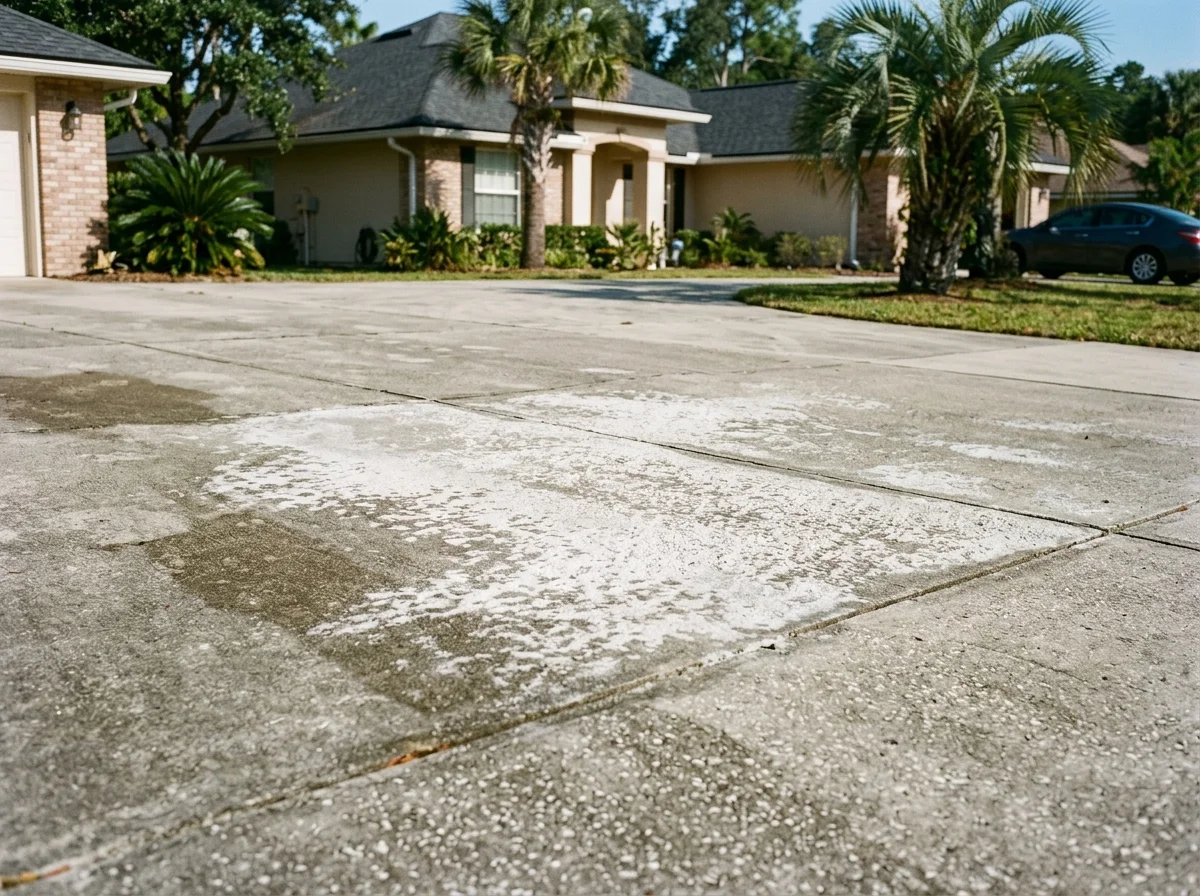
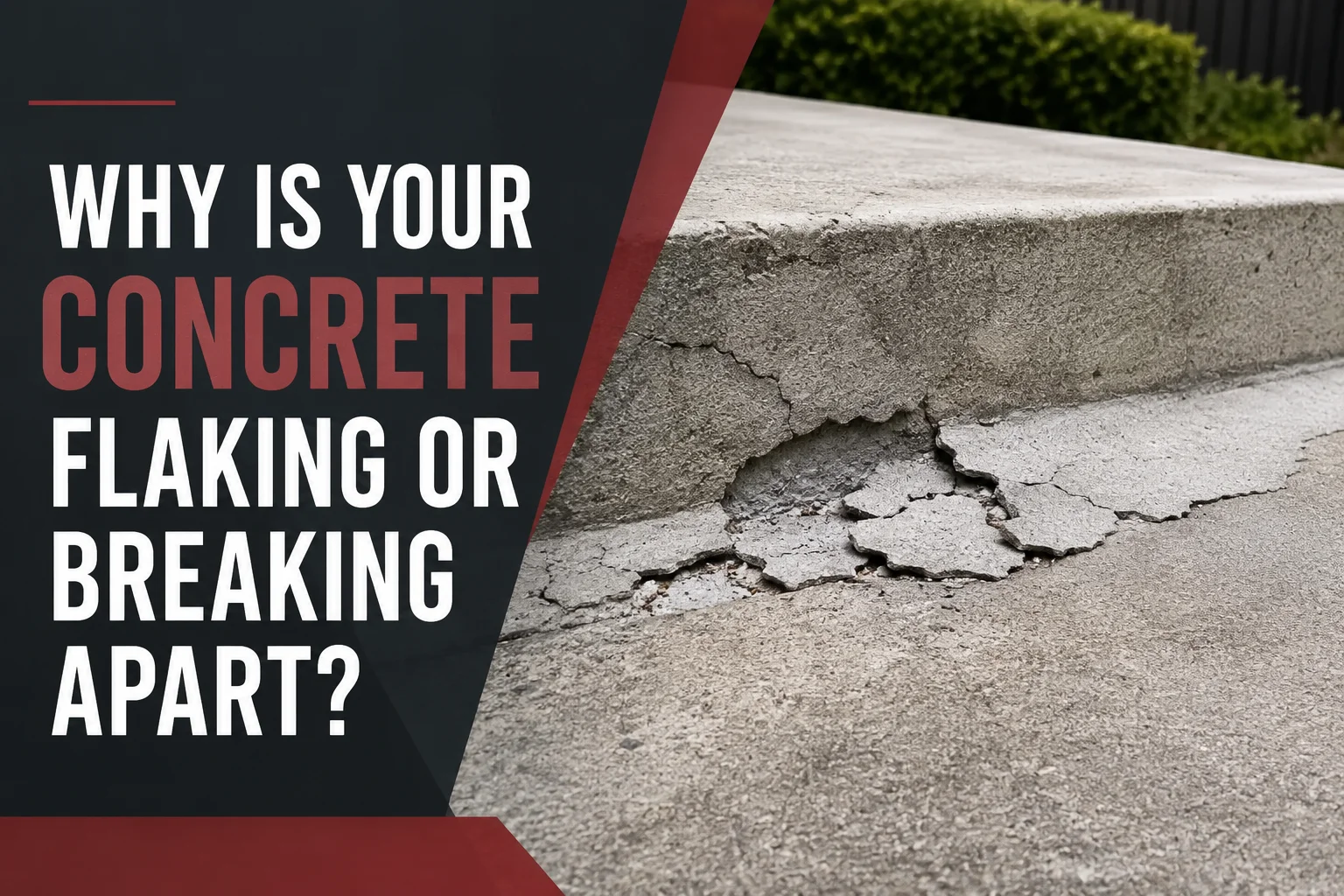
Spalling, where the concrete surface is breaking apart in chunks, means the concrete is deteriorating. Small spalling areas get filled with concrete patching compound. Widespread spalling across the driveway means concrete deterioration is advanced. Replacement makes more sense than patching deteriorated concrete everywhere.
Concrete Driveway Replacement Options
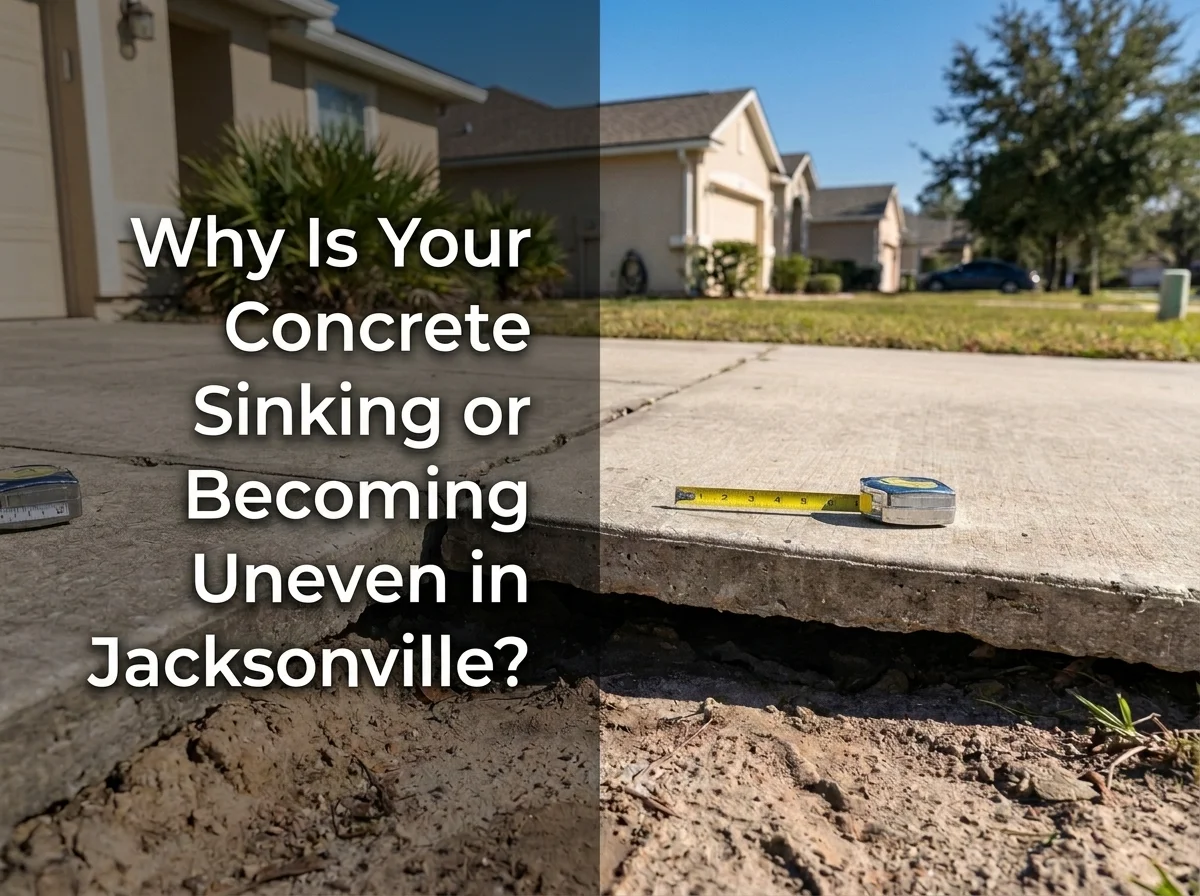
Sometimes driveway replacement is the right answer. Old concrete that’s heavily damaged, extensively cracked, or settling unevenly needs replacement. Trying to patch old concrete forever gets expensive and doesn’t work long term. Replacement gives you a new driveway with proper installation from the beginning.
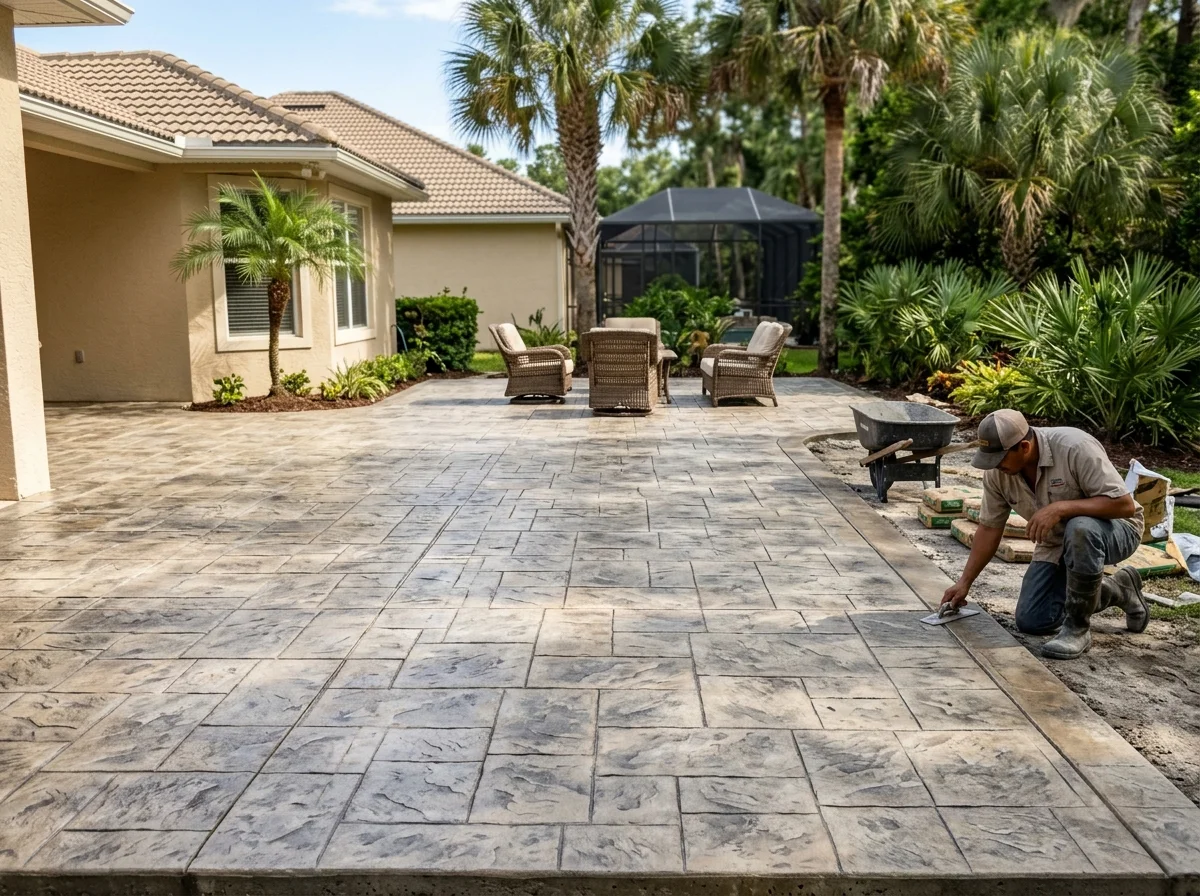
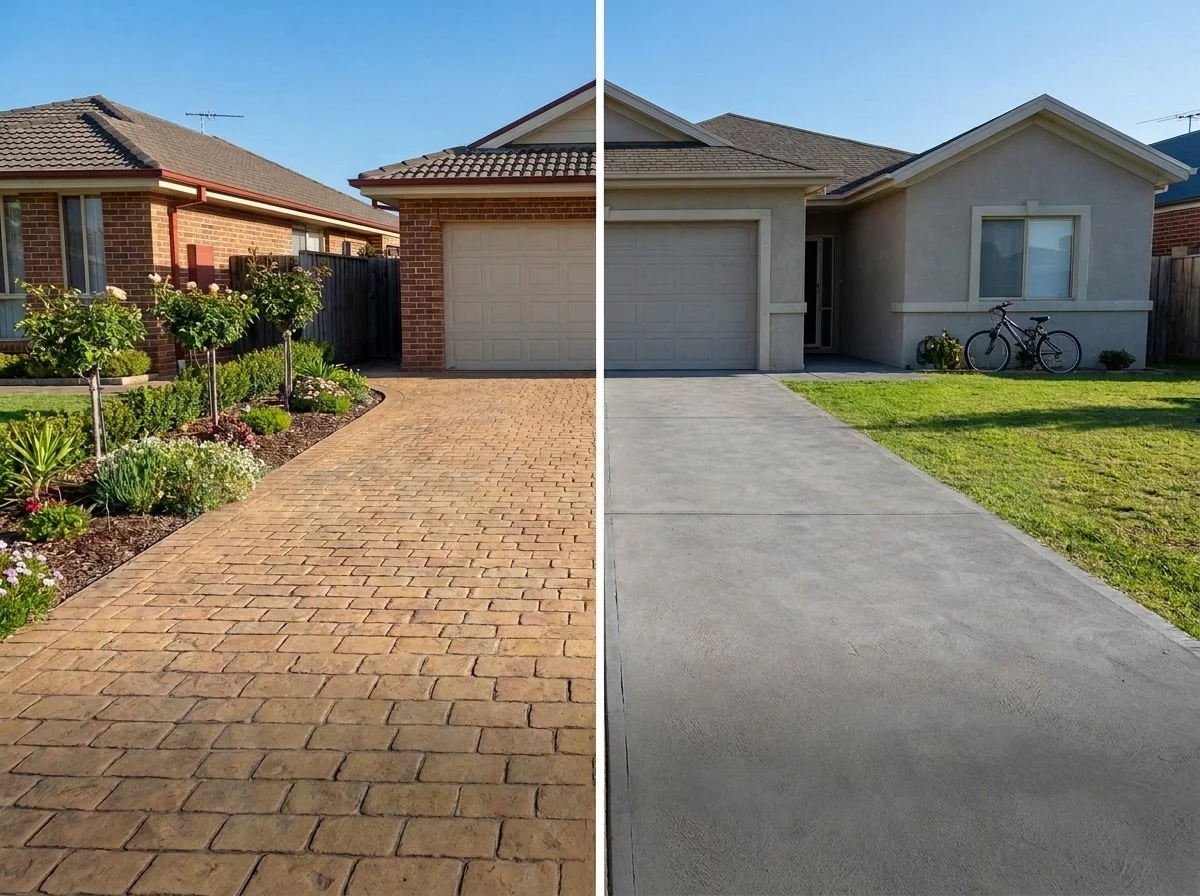
Concrete replacement Jacksonville FL can include options like stamped concrete driveway if you want something fancier than plain concrete. Stamped patterns and colors add visual interest. Cost is more than standard concrete but less than decorative options like pavers. Jacksonville homes with stamped concrete driveways look impressive.
You can also do decorative options with colors, patterns, and finishes. Basic gray concrete is cheapest. Colored concrete costs more. Decorative finishes cost even more. Think about what matches your home and neighborhood when choosing. Overly fancy driveways that don’t match the home can actually hurt resale value by looking out of place.
Understanding Concrete Driveway Costs
Concrete driveway repair for small cracks costs minimal money. Sealing a crack costs under fifty dollars usually. Patching larger damaged areas costs a few hundred dollars. These prices are well within most homeowner budgets. Small repairs keep your driveway functional while you decide about replacement.
Concrete driveway contractors Jacksonville FL charge different rates based on experience and reputation. New contractors charge less. Established contractors with good reputations charge more. You’re often paying for experience and track record, not just the labor. Experienced contractors get the job right the first time. Inexperienced contractors create problems that cost more to fix later.
Driveway replacement costs more than repair. A standard concrete driveway replacement for average size driveways costs between three thousand and eight thousand dollars in Jacksonville. Cost varies based on driveway size, site conditions, and complexity. Decorative finishes cost more. Simple gray concrete costs less. Get detailed quotes from multiple contractors before deciding.
Choosing A Concrete Driveway Contractor
Interview multiple contractors before hiring one. Ask about their experience with concrete slabs Jacksonville FL installations specifically. Ask if they’re licensed and insured. Ask for references and check them. A good contractor has happy customers who’ll talk about their work. A contractor with no references or unhappy customers is a warning sign.
Look at completed work if possible. Many contractors have photos or portfolios of past driveways. Jacksonville has different weather and soil than other areas. A contractor experienced with Jacksonville conditions understands what works here. A contractor from another state might make mistakes because they don’t understand our climate and ground conditions.
Ask specifically about base preparation methods. How much base material do they use? How do they handle drainage? Do they use reinforcement? What about concrete finishing techniques? A contractor who can explain these details clearly knows what they’re doing. One who gets vague or dismissive about the technical stuff is warning sign that corners will be cut.
Jacksonville Neighborhoods and Driveway Considerations
Different Jacksonville neighborhoods have different soil and drainage characteristics. Riverside and San Marco areas have dense, older soil requiring different base approaches than newer Southside developments. A local contractor knows these neighborhood differences. Someone from out of state might not.
Spanish moss and tree canopy in some Jacksonville neighborhoods affect concrete in ways contractors need to understand. Roots under concrete cause heaving. Moisture retention under canopy affects curing. Leaf debris in joints promotes weed growth and deterioration. Local experience matters because contractors see these specific challenges constantly in Jacksonville driveways.
Your neighborhood might have HOA requirements about driveway appearance, thickness, or finish. Check your restrictions before planning your concrete driveway work. Some neighborhoods require certain finishes or colors. Others prohibit decorative options. Knowing these restrictions before contracting prevents surprises and conflicts later.
Maintenance After Installation
A new concrete driveway needs minimal maintenance but some care extends its life significantly. Seal concrete every two to three years in Jacksonville. The sun, heat, and moisture are hard on concrete. Sealing protects against UV damage and water intrusion. Sealed concrete stays looking good longer than unsealed concrete.
Clean your driveway regularly. Remove standing water quickly. Don’t let leaves pile up in joints. Sweep regularly. These simple habits prevent problems. Stains from oil or rust happen with normal driveway use. Deal with them promptly before they set permanently. Some stains clean up easy if addressed quickly but become permanent if left.
Fill joints where the concrete meets grass or where sections meet. Weeds growing in joints look bad and their roots undermine concrete. Proper joint filling prevents this. Watch for cracks developing and seal them before they get wide. Small cracks sealed immediately don’t expand. Ignored cracks get worse and eventually need more expensive repair.
Frequently Asked Questions About Concrete Driveways in Jacksonville
How long does a concrete driveway last in Jacksonville?
A properly installed concrete driveway in Jacksonville lasts twenty to forty years or more. Quality installation, proper base preparation, and regular maintenance all extend lifespan significantly. Concrete in Jacksonville’s heat and humidity lasts longer than in freeze-thaw climates where concrete deteriorates faster. Well-maintained concrete driveways often outlast the homeowner’s time living in the house.
Is concrete better than asphalt for Jacksonville driveways?
Yes, for Jacksonville specifically. Asphalt softens in our heat and needs constant resealing. Concrete handles Jacksonville’s climate better. Asphalt costs more to maintain long term even though upfront cost is less. Concrete needs minimal maintenance after installation. If you’re staying long term, concrete is better financially and practically than asphalt in Jacksonville.
What causes concrete driveway cracks in Jacksonville?
Temperature expansion and contraction cause most cracking. Jacksonville heat cycles put stress on concrete. Poor base preparation or subgrade movement causes cracking. Improper installation where reinforcement is missing or inadequate allows cracking. Water underneath the concrete from poor drainage causes problems. Most cracking is preventable with proper installation technique and material.
Can you repair concrete driveway cracks or should I replace the whole thing?
Small isolated cracks seal easily and stay sealed. Wider cracks or multiple cracks throughout suggest systemic problems. One or two cracks? Repair them. Half your driveway cracking? Replacement makes more sense than trying to patch everything. A concrete contractor can assess your specific situation and recommend whether repair or driveway replacement is the right choice.
How much does concrete driveway repair cost in Jacksonville?
Small crack sealing costs under fifty dollars. Patching damaged areas costs a few hundred dollars. These prices vary based on damage extent and contractor rates. Concrete driveway repair is usually affordable compared to replacement. Most homeowners can handle small repair costs. Replacement is where significant expense occurs, not routine repair work.
Should I get a stamped concrete driveway?
Stamped concrete driveway options add visual interest and can improve curb appeal. Cost is moderate premium over plain concrete. Maintenance is similar to standard concrete. Stamped finishes last as long as plain concrete with proper care. Decide based on your home’s style and neighborhood. Overly fancy finishes that don’t match the home can actually hurt resale value by looking out of place.