

Choosing concrete isn’t only about strength or price. The delivery method can also shape your project. It affects timing, waste, mix control, and crew planning. Jacksonville property owners may compare volumetric concrete mixing with ready mix concrete before a slab, repair, walkway, loading area, or commercial pour. Both methods can produce good concrete when the supplier follows the right mix design and quality checks. The best choice depends on the job, not on one simple rule. Choosing the wrong method may leave your crew waiting, create extra material, or force a rushed change after placement starts. That can raise costs.
This guide explains how each method works. You’ll learn where on-site concrete mixing can help and where a drum truck may fit better. We’ll also compare fresh concrete, order size, site access, delays, mix changes, and cost factors. Concrete Advantage serves Jacksonville and Northeast Florida with commercial concrete work and on-demand concrete delivery. Its site says its volumetric service can adjust mixes at the job and reduce waste by mixing the amount needed. It will help you ask better questions before you book a truck, approve a mix, or set the crew’s start time. That planning can reduce surprises on pour day.
What Is Volumetric Concrete Mixing?
This method uses a truck or trailer that carries cement, sand, stone, water, and other mix materials in separate bins. The machine measures each material and blends them as concrete leaves the unit. That means the load isn’t fully mixed before the truck reaches your property. The operator can start or stop production as the crew needs concrete. A trained operator can also adjust an approved mix for different parts of a job. The National Ready Mixed Concrete Association calls these machines “plants-on-wheels.” It notes that they often serve small pours, special mixes, and jobs needing precise amounts. ASTM C685 covers concrete made through volumetric batching and continuous mixing.
How Does Ready Mix Concrete Work?
Traditional drum concrete is batched at a plant before delivery. The measured materials enter a truck with a turning drum. The drum mixes or keeps the concrete moving while the driver travels to the site. Once the truck arrives, the crew places the concrete through a chute, pump, buggy, or other method. This system works well when the project has a clear mix design, known volume, prepared forms, and a crew ready for steady placement. It can also support large pours when the plant can schedule enough trucks. However, travel time, traffic, plant demand, and job delays can affect the delivery window. NRMCA explains that most ready-mixed concrete reaches jobs in rotating drum trucks.
Which Method Gives Better Mix Control and Freshness?
Both methods can meet project needs when trained people use proper equipment. The main difference is where and when the materials become concrete. With on-site concrete mixing, dry materials remain separate until the operator starts the machine. The crew receives fresh concrete as it’s produced. The operator may also make approved changes between sections, such as switching to a different mix for a small pad or repair. Traditional drum delivery brings one planned batch from the plant. That can provide steady output for a large, simple pour. Yet changing the mix after arrival may not be practical or allowed. ASTM notes that volumetric systems need accurate measuring, proper operation, maintenance, testing, and uniform mixing. A mobile concrete mixer isn’t automatically better. The operator and quality plan still matter.
Which Option Handles Volume and Waste Better?
Your project size and certainty should guide this choice. A drum order works well when the plans, forms, depth, and concrete measurements are final. The supplier batches the requested volume, and the crew places it. Problems can start when the site needs less than ordered or hidden low spots need more. Extra concrete may require a safe disposal plan. A shortage may stop the pour while another truck is arranged. A volumetric unit can stop after the needed amount is produced, subject to the truck’s material supply and job plan. This can help with repairs, small pours, changing quantities, or several areas at one site. Still, no system removes all waste. Poor measurements, spills, weak forms, and bad planning can waste material with either method.
Why Does the Delivery Method Matter?
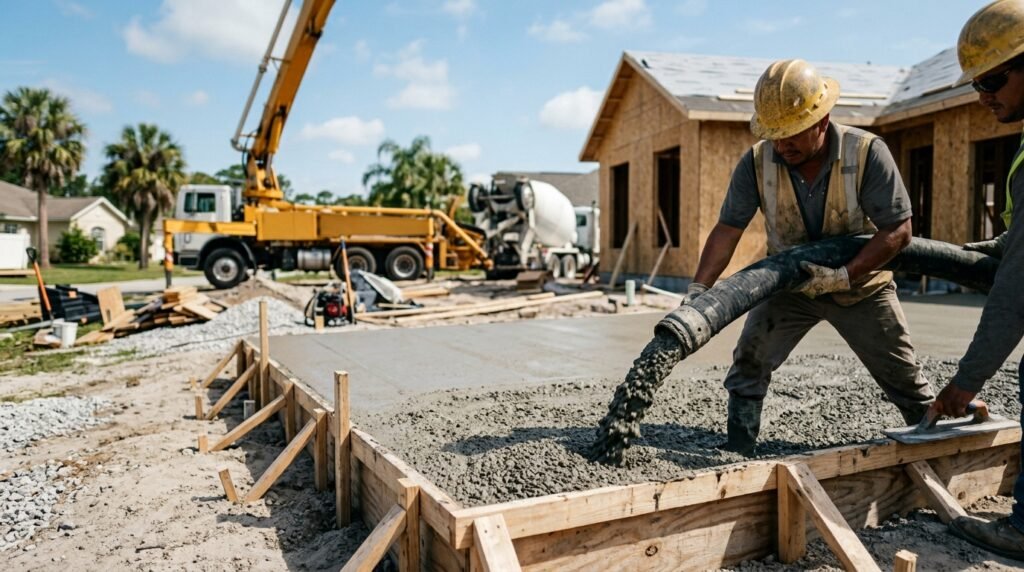
The delivery method affects more than the truck you see at the curb. It changes how the crew plans labor, access, timing, and backup steps. Concrete starts changing after water meets cement, so workers need to place and finish it within the planned working time. A job that runs late can create pressure on the crew. A job that starts too early can leave people waiting. Jacksonville sites may also have tight parking areas, active stores, loading zones, or limited truck paths. A clear delivery plan helps protect workers, visitors, nearby property, and the concrete itself. It also helps the supplier match the equipment to the pour. Concrete Advantage says it checks subgrade, drainage, loads, and repair needs before its commercial work.
Better Cost Control
The lowest concrete price doesn’t always create the lowest project cost. You also need to count labor time, delivery charges, short-load fees, pumping, waiting, cleanup, unused material, and return trips. A smaller or uncertain pour may benefit from paying only for the concrete produced. A large planned slab may cost less to place with steady truck loads and a full crew. The final choice depends on local rates and site needs. Don’t trust a price that leaves out base work, forms, reinforcement, placement, finishing, curing, or disposal. Ask for a written estimate that shows what the delivery service includes. Accurate measurements and a prepared site often save more money than choosing a method by price alone.
Smoother Scheduling and Placement
Crews need a steady flow that matches their placing and finishing speed. Too much concrete at once can overwhelm a small team. Too little can leave workers waiting while placed concrete begins to set. A volumetric truck can pause production for short site needs, but the operator still needs safe space and a clear plan. Drum trucks may fit larger jobs with a set truck schedule and enough workers. Jacksonville traffic, gate access, business hours, and weather can affect either plan. Confirm where each truck will enter, turn, park, and wash out. Also decide who will direct traffic and who can approve mix or quantity changes. Good scheduling protects the surface and reduces rushed decisions.
When Is Volumetric Concrete Mixing the Better Choice?
Volumetric concrete mixing often fits jobs with uncertain amounts, several small placements, special repair mixes, or long gaps between sections. It may work well for sidewalk repairs, utility cuts, equipment pads, curb sections, small slabs, and phased commercial work. The operator can produce a custom concrete mix at the site when the approved job plan calls for it. The unit can also stop once the crew has enough material. ACI’s guide lists small deliveries, remote sites, short working-time mixes, hot weather work, grout, overlays, and emergency uses among possible applications. The method still needs accurate calibration, clean equipment, trained staff, and suitable materials. Ask how the supplier checks yield, slump, temperature, and mix records.
When Is Ready Mix Concrete the Better Choice?
Ready mix concrete may be the better choice for a large, simple pour with firm quantities and a steady placement rate. Examples include broad warehouse floors, large paving areas, foundations, and long slab sections. A plant can batch repeated loads to the approved design, while the contractor coordinates truck spacing. This method works best when forms, steel, base, pump setup, and crew numbers are ready before the first truck arrives. It may be less flexible when quantities change late or several mix designs are needed during one visit. However, a well-run plant and experienced delivery team can support major work with strong quality records. Compare plant distance, truck supply, expected unload time, and backup options before choosing.
What Should Jacksonville Property Owners Ask a Supplier?
Start with the project plans, not the truck type. Share the slab size, depth, strength needs, reinforcement, finish, access limits, and expected placing rate. Ask whether the supplier uses a calibrated mobile concrete mixer or a plant-batched system. Request the proposed mix design and ask how the team checks water, aggregate moisture, slump, temperature, yield, and batch records. Find out what happens when the job needs more material or stops for rain. Also ask about minimum orders, waiting time, delivery areas, pumps, washout, and unused concrete. For on-site concrete mixing, ask who can change the mix and how those changes are recorded. A qualified contractor should also review base work, drainage, forms, joints, curing, and safe access before delivery.
Which Concrete Delivery Option Should You Choose?
Neither method wins every comparison. Choose volumetric concrete mixing when flexible volume, fresh production, smaller pours, or approved mix changes add real value. Choose drum delivery when a large, planned pour needs steady batches from a plant. The right answer may also change between parts of one property. A repair area may need a mobile unit, while a large new slab may suit scheduled drum trucks. Before ordering, confirm the amount, site condition, crew size, access, mix design, and testing needs. Get a local written estimate that explains delivery and placement costs. Concrete Advantage provides on-demand concrete delivery in Jacksonville and Northeast Florida, so property owners can discuss project size, site limits, and mix needs before setting the pour.
Frequently Asked Questions
Is Volumetric Concrete as Strong as Plant-Mixed Concrete?
Yes, it can meet the required strength when the mix, equipment, calibration, and testing are correct. Strength depends on the full quality process, not only where the concrete is mixed.
Does a Volumetric Truck Mix Concrete at the Job?
Yes. It carries the main materials in separate bins and blends them when needed. This lets the operator start or stop production based on the approved job plan.
Is Ready Mix Better for Large Slabs?
It often fits large slabs with known quantities and steady placement. The contractor still needs enough workers, proper truck spacing, clear access, and a backup plan for delays.
Which Method Creates Less Waste?
A volumetric system can reduce leftover concrete when the final amount is uncertain. However, both methods can create waste when measurements, forms, handling, or crew planning are poor.
Can One Truck Make Different Concrete Mixes?
Some volumetric units can change to another approved mix during a visit. Ask the supplier what changes its equipment supports and how the operator records each batch.
How Do I Compare Concrete Delivery Prices?
Compare the full job cost, not only the price per yard. Include delivery, short loads, waiting, pumps, labor, waste, site preparation, placement, finishing, curing, and cleanup.